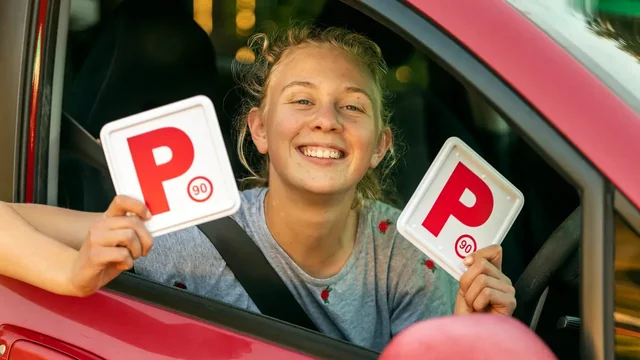
Your P-plates open up work, study and patrol flexibility — but the process can feel confusing. Here’s a calm, step-by-step guide so you build real skill and pass with confidence.
Map your journey
- Learner stage: log required supervised hours across conditions (day/night, wet/dry, highway). Mix short daily drives with longer weekend runs.
- Hazard Perception Test (HPT): practise online modules before booking; learn to scan and anticipate.
- Practical test: book when you’re consistently safe across routes and manoeuvres, not just “good on a good day”.
Logbook hacks that work
- Consistency > cramming: three 40-minute drives beat one marathon.
- Route variety: roundabouts, hills, school zones, shopping centres, highway merges.
- Coastal quirks: glare, sudden rain, tourists braking randomly.
- Reflect: jot one thing you did well and one to improve after each session.
Common test fails (and fixes)
- Observation: miss head checks at turns/merges? Practise deliberate scan routines (mirrors → signal → head check → manoeuvre).
- Speed choice: don’t “sit” on the limit; choose speeds for conditions.
- Gap selection: if unsure, wait. Rolling patience beats risky pulls.
- Positioning: early lane selection; smooth, timely indicators.
Test-day routine
Sleep well, light brekky, arrive early with licence/permit/logbook. Do a short warm-up drive to settle nerves. Use a simple breath pattern: in for four, out for six. If you didn’t hear an instruction, politely ask the assessor to repeat.
First solo drives (set yourself up)
Start with familiar routes in daylight. No full car of mates on day one. Keep music off; focus on scanning and space. Rain? Slow down and increase following distance. If you feel tired, stop — microsleeps are real.
Buying your first car (sensible checks)
- Budget: purchase + on-roads (stamp duty, rego, CTP) + insurance + buffer.
- RWC & history: roadworthy certificate and a PPSR check (finance/written-off status).
- Test drive: straight braking, no overheating, electrics working.
- Safety over shiny: airbags, ABS, service history beat flashy extras.
Smart habits from day one
Phone on Do Not Disturb; mirrors and seat set before moving; keep water/snacks in the car; a small emergency kit (torch, band-aid pack, hi-vis). Tell your Patrol Captain early if transport issues will affect your roster so they can plan around it.
If things go wrong
Breakdown? Pull over safely with hazards, stay inside on busy roads, call roadside assist and share location. Minor bingle? Make the area safe, swap details calmly, take photos, and debrief later — tough scenes can stick, and talking helps.
Bottom line: Build skill steadily, practise real conditions, and keep your cool on test day. Safe, confident driving beats rushing the process — and it keeps you, your mates and your community safer.