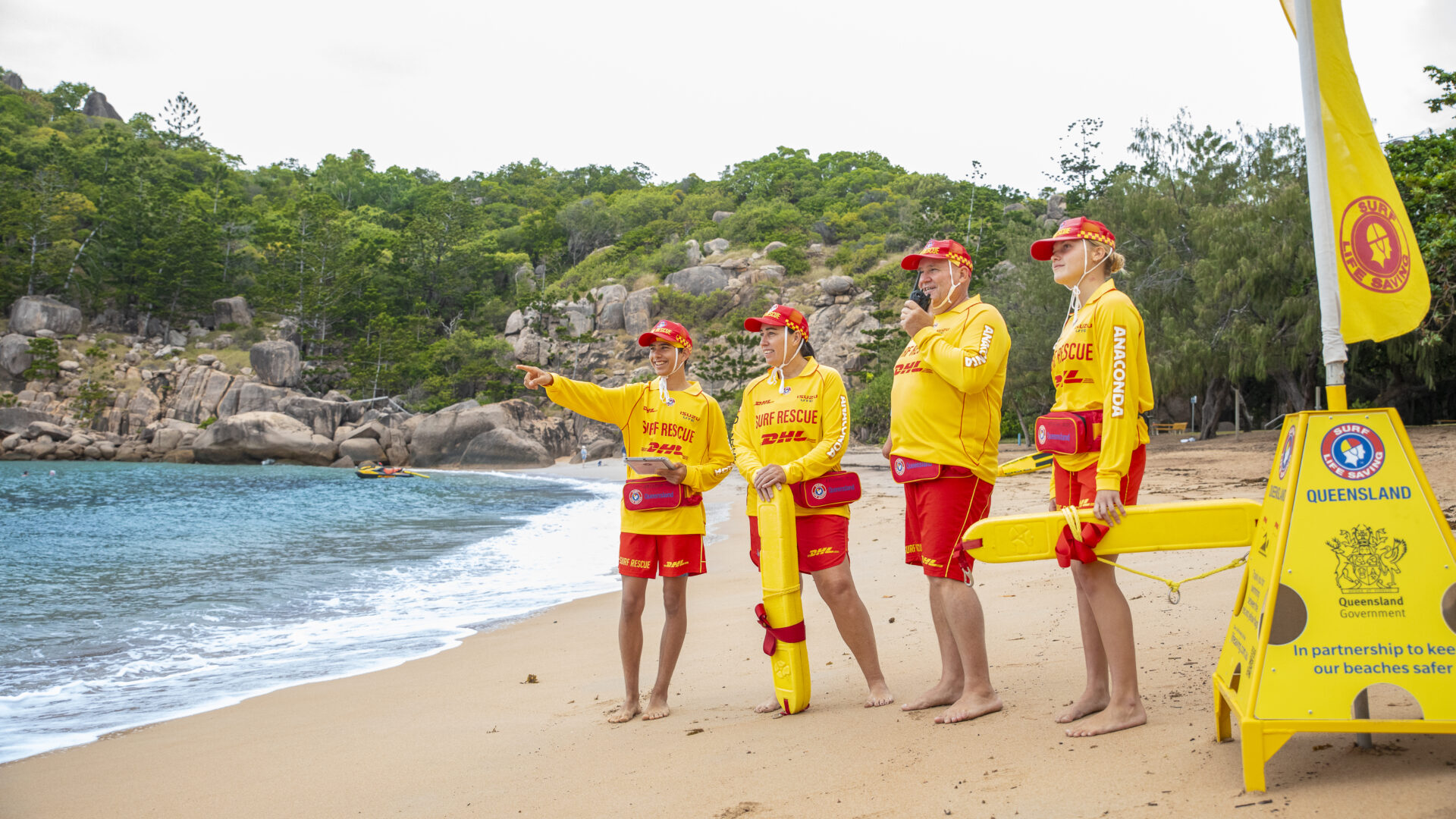
Queensland’s beaches are iconic, but they can also be unpredictable. Each summer, Surf Life Saving Queensland works to keep beachgoers safe — and the most effective way to prevent incidents is through simple, informed choices.
The following key safety principles outline how you can protect yourself, your family and your mates every time you visit the beach.
Swim between the flags
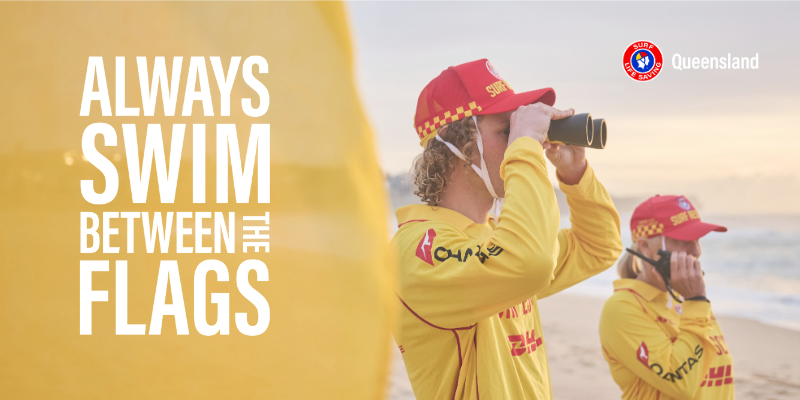
Choosing a patrolled beach and swimming between the red and yellow flags is the most important action you can take to stay safe. This area is actively monitored by trained lifesavers and lifeguards who can see you and respond quickly if needed.
Remember:
- Always choose a patrolled location
- Set up close to the flagged swimming zone
- Enter the water between the red and yellow flags
- If lifesavers can’t see you, they can’t save you
Safety for Males and Risk Takers
High-risk behaviour is a leading factor in many coastal incidents, particularly among males. Confidence, peer influence and poor decision-making around water can quickly lead to danger.
Key reminders:
-
Swim at patrolled beaches and stay between the flags
-
Never swim alone
-
Avoid entering the water after consuming alcohol
-
Know your limits and don’t overestimate your ability
-
Make thoughtful, not impulsive, decisions around the water
Assess the Conditions
Before entering the water, take a moment to stop, look and assess. Surf and weather conditions can change rapidly, making a familiar beach feel very different from day to day.
Check for:
-
Current surf conditions, waves and rips
-
Weather changes and wind
-
Safety signage or warnings
-
Any beach closures announced by lifesavers
Taking ten seconds to assess your surroundings can prevent serious incidents.
Alcohol and Swimming
Alcohol and water do not mix. Drinking affects coordination, judgement and awareness — all of which are essential for staying safe in the surf.
To stay safe:
-
Do not swim after drinking
-
Choose an alternative, safe way to cool off
-
Look out for mates who may put themselves at risk after consuming alcohol
Children’s Safety
Children require active, constant supervision around the water. Even shallow surf can be hazardous, and young children can get into difficulty within seconds.
Supervision guidelines:
-
Keep children within arm’s reach at all times
-
Always swim between the red and yellow flags
-
Stay alert and avoid distractions
-
Check surf conditions before allowing children into the water
Avoid Swimming Alone
Swimming alone increases the risk of unnoticed distress and delayed rescue. Having a mate with you improves safety and ensures someone is there to help if conditions change.
Best practice:
-
Always swim with another person
-
Stay close to each other in the water
-
Choose patrolled beaches and swim between the red and yellow flags whenever possible
Want to help us keep Queensland Beaches safe?
Lifesaving is more than just patrols. It’s community. It’s teamwork. It’s people from all walks of life coming together to keep our beaches safe and our clubs thriving.
Whether you’re on the beach, behind the scenes, or supporting from the sidelines, there’s a place for you. You don’t need to be a strong swimmer or wear a rescue tube—just bring your passion, and we’ll show you where you fit.
Explore the many ways you can get involved. Find the role that’s right for you.