STRESS AND OVERWHELM
information for members
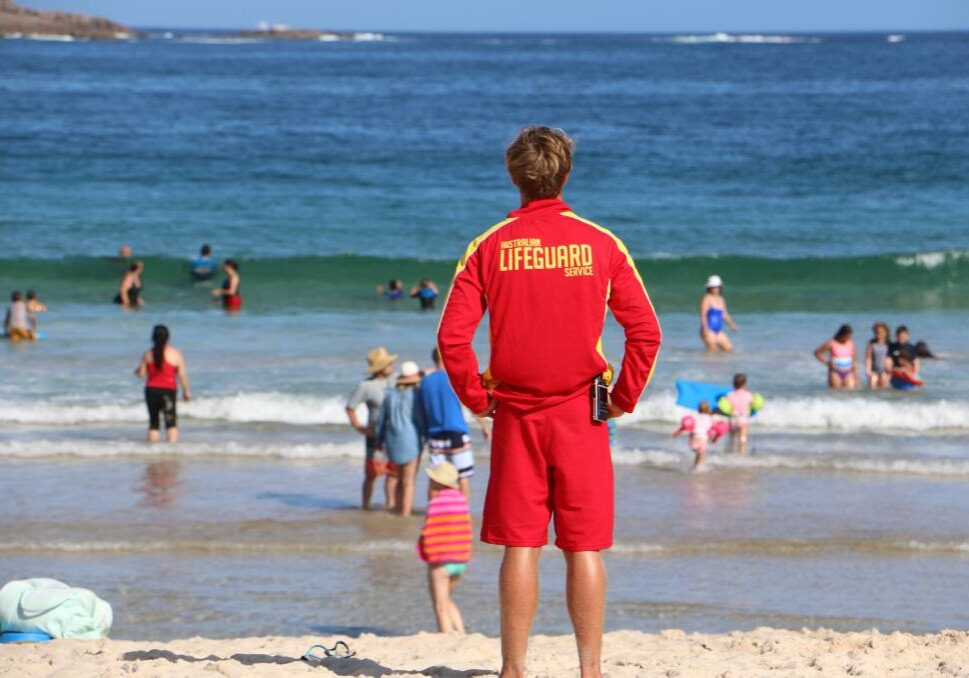
When pressure starts to pile up
Stress is a normal response when demands increase. In surf lifesaving, stress can come from responsibility, time pressure, and high-stakes situations where decisions affect people’s safety.
Short bursts of stress can actually help performance. But when pressure stacks up without enough recovery, it can shift into overwhelm.
The Australian Psychological Society describes stress as the body and mind’s response to demands that feel bigger than the resources available to manage them.
Why stress builds in volunteer environments
Stress tends to rise when:
-
You’re balancing patrol, training, work, study and family
-
Multiple tasks happen at once (patrol incidents, radio calls, public enquiries)
-
Expectations feel high but support or time feels limited
-
You’re responsible for decisions affecting others’ safety
-
You’re constantly “on call” for messages, requests or fill-ins

stress vs overwhelm
Stress
You feel pressure, but you can still function and problem-solve.
Overwhelm
The load feels too big to manage. Your brain starts shutting down tasks rather than prioritising them.
what helps reduce overwhelm
- Break tasks into smaller steps instead of tackling everything at once
-
Share responsibilities rather than carrying them alone
-
Set clear limits on availability
-
Take short recovery breaks during long days
-
Talk with teammates or leaders when pressure starts building
Stress is not a failure. It’s often a signal that the load needs adjusting.
signs stress is becoming overwhelm
Early Signs
-
Feeling constantly busy but not productive
-
Difficulty switching off after patrol
-
Irritability or impatience
Pressure Building
-
Trouble focusing on tasks
-
Feeling behind before the day even starts
-
Avoiding messages or responsibilities
Overwhelm Stage
-
Brain feels “full” or scattered
-
Forgetting simple things
-
Emotional reactions feel stronger than usual
Need more help or support?
- If it’s urgent or someone is at risk: call emergency services immediately 000.
- If you need more support: contact your GP or a mental health professional, and contact us at [email protected].
- In-club: reach out to a trusted leader (Patrol Captain, Club Captain/Director, President).