role overload
information for members
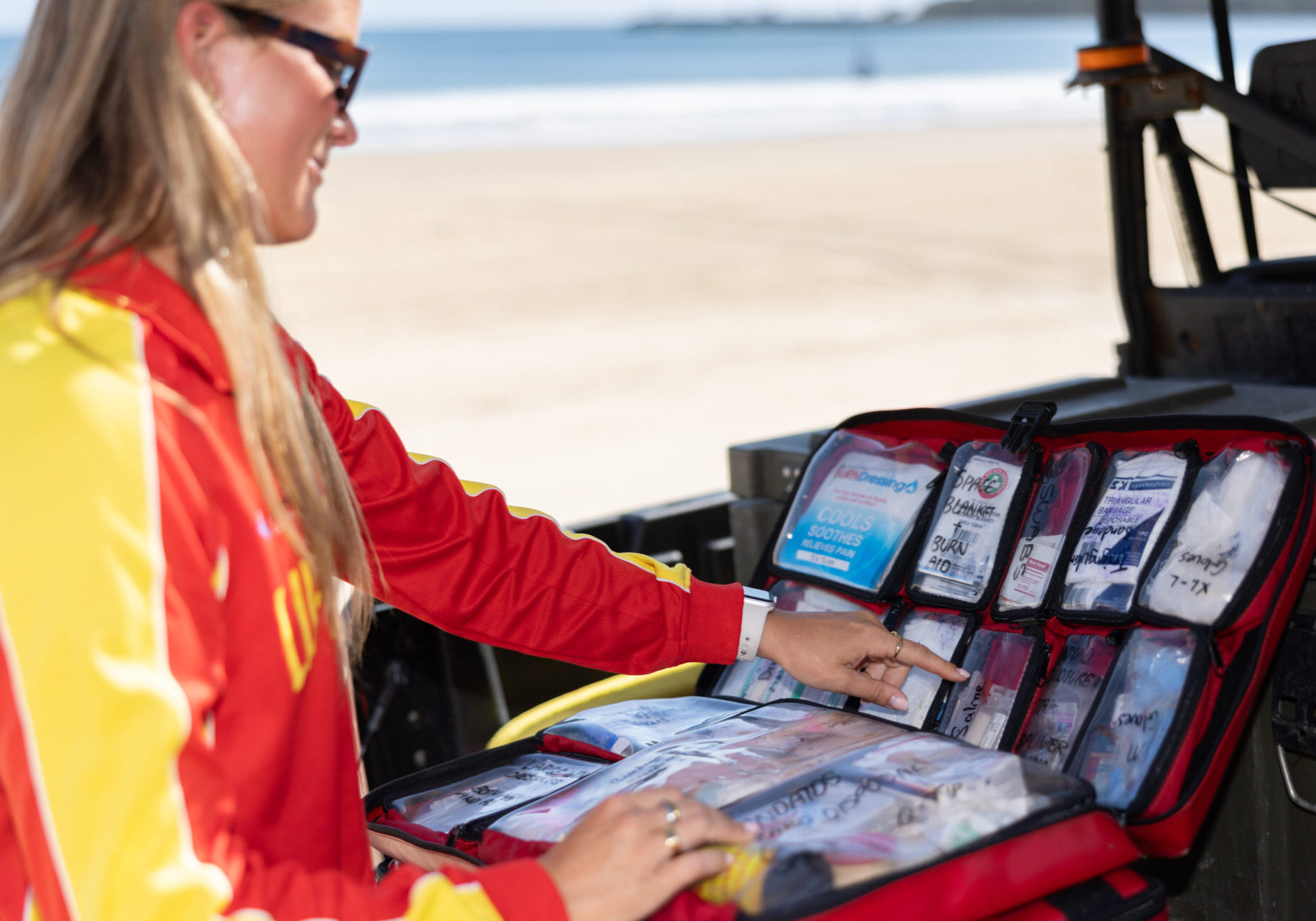
responsibilities piling up..quickly
Surf lifesaving clubs rely on volunteers who generously give their time, skills and energy to support patrol operations, training, competitions and club activities.
Many members contribute in more than one role. This might include patrolling, helping with nippers, supporting training sessions, assisting with events or taking on leadership or committee responsibilities.
While this commitment is valuable to the club, taking on too many responsibilities at once can lead to role overload.
Role overload occurs when the number or intensity of responsibilities exceeds the time and energy a person realistically has available.
role overload in clubs
We rely on members who are experienced, reliable and willing to step in when help is needed.
Role overload can develop when:
- members take on multiple roles across patrol, training or administration
- volunteers regularly fill in for gaps or shortages
- responsibilities gradually increase over time
- members feel responsible for ensuring tasks are completed
Often this happens slowly, making it easy for people to underestimate how much they have taken on.
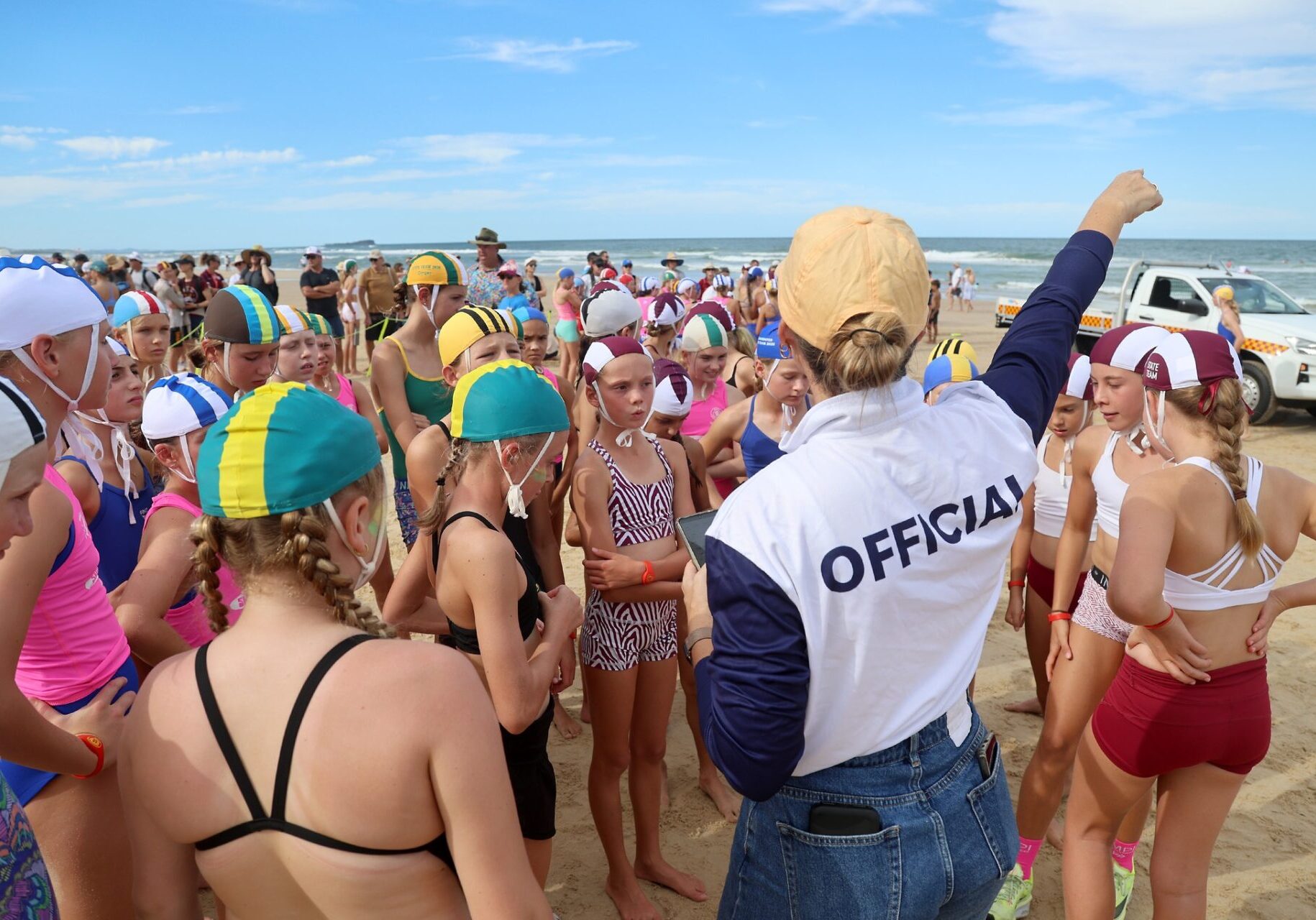

sharing responsibilities and why it matters
Healthy clubs rely on shared contribution rather than a small number of people carrying most of the workload.
When responsibilities are distributed more evenly across members, clubs benefit from:
- stronger teamwork
- greater member involvement
- reduced burnout among volunteers
- improved sustainability of roles
Encouraging participation from a wider group of members can help create more balanced workloads across the club.
setting healthy boundaries in lifesaving
be clear and upfront about your availability
Understanding how much time and energy you realistically have available helps you make decisions about which roles or tasks you can commit to.
It is okay to say that you are unavailable during certain periods due to work, family or personal commitments.
prioritise roles that matter most
Many volunteers contribute in multiple ways across patrols, training, competitions and club administration. Focusing on the roles that are most meaningful or manageable can help maintain balance.
Stepping back from some tasks can allow others to step forward.
remember that sustainable volunteering benefits everyone
Clubs are strongest when responsibilities are shared across members rather than carried by a few individuals.
Setting boundaries helps protect your wellbeing and ensures you can continue contributing positively over time.
Healthy volunteering is not about doing everything - it is about contributing in a way that remains manageable and rewarding.
Need more help or support?
- If it’s urgent or someone is at risk: call emergency services immediately 000.
- If you need more support: contact your GP or a mental health professional, and contact us at [email protected].
- In-club: reach out to a trusted leader (Patrol Captain, Club Captain/Director, President).