national
reconciliation week
coast, culture and community
National Reconciliation Week (27 May – 3 June) is a time to learn, reflect and take meaningful action towards reconciliation.
This page brings together resources, stories and practical tools to support clubs in building stronger relationships with Aboriginal and Torres Strait Islander communities.
Hear from Aboriginal and Torres Strait Islander voices, including community members and surf lifesavers, sharing their experiences, perspectives and connections to culture and coast.
Featuring:
- Darius Lewin-Pearson (Artist - SLSQ Aboriginal Artworks and Member, Forrest Beach SLSC)
- Evandah Bann (Member, Forrest Beach SLSC)
- Leah Jones (Member, Tweed Heads and Coolangatta SLSC and Bundjalung woman)
- Marc Harbrow (SLSQ First Nations Consultant and Yirrganydji man)
- Shaun Baker (Deputy Chair, SLSQ RAP Working Group and Member, Noosa Heads SLSC)
- Lyndon Davis (Traditional Owner, Kabi Kabi Peoples)
Club Resources and Guides
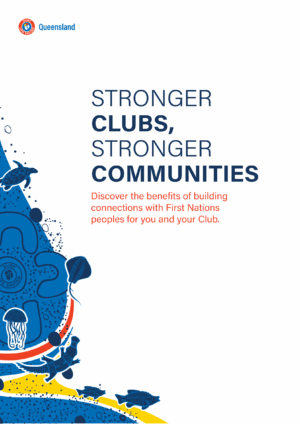
Club Engagement Guide
Practical steps to help clubs create more inclusive and welcoming environments.
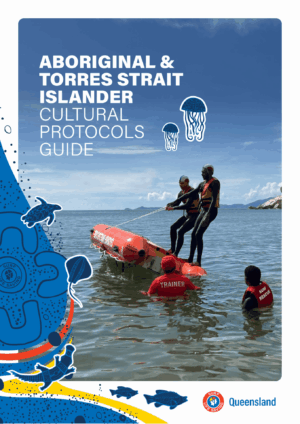
Cultural Protocols Guide
Guidance on respectful engagement, including understanding Acknowledgement of Country and Welcome to Country.
Successful Surf Club Series
Real examples of reconciliation in action across clubs:
Building Meaningful Community Connections
Featuring: Marc Harbrow
Learn how strong relationships with First Nations communities start with respect, understanding, and genuine intent.
This episode explores how clubs can move beyond “tick-the-box” approaches and build lasting, meaningful partnerships through inclusive language, cultural understanding, and long-term engagement.
Pathways, Pride and Participation
Featuring: Evandah Bann & Jason Woods
Discover how partnerships between clubs, schools and communities are creating real pathways for First Nations youth.
From competition success to leadership development, this episode highlights how inclusive programs can build confidence, cultural pride, and long-term involvement in surf lifesaving.
Strong Partnerships, Lasting Impact
Featuring: Matthew Hamdorf & Rachael Wynberg (Clontarf Foundation)
Explore how meaningful partnerships can create real opportunities for Aboriginal and Torres Strait Islander young people.
This episode looks at how collaboration can build life skills, confidence, and pathways to employment — while strengthening connections between clubs and community.
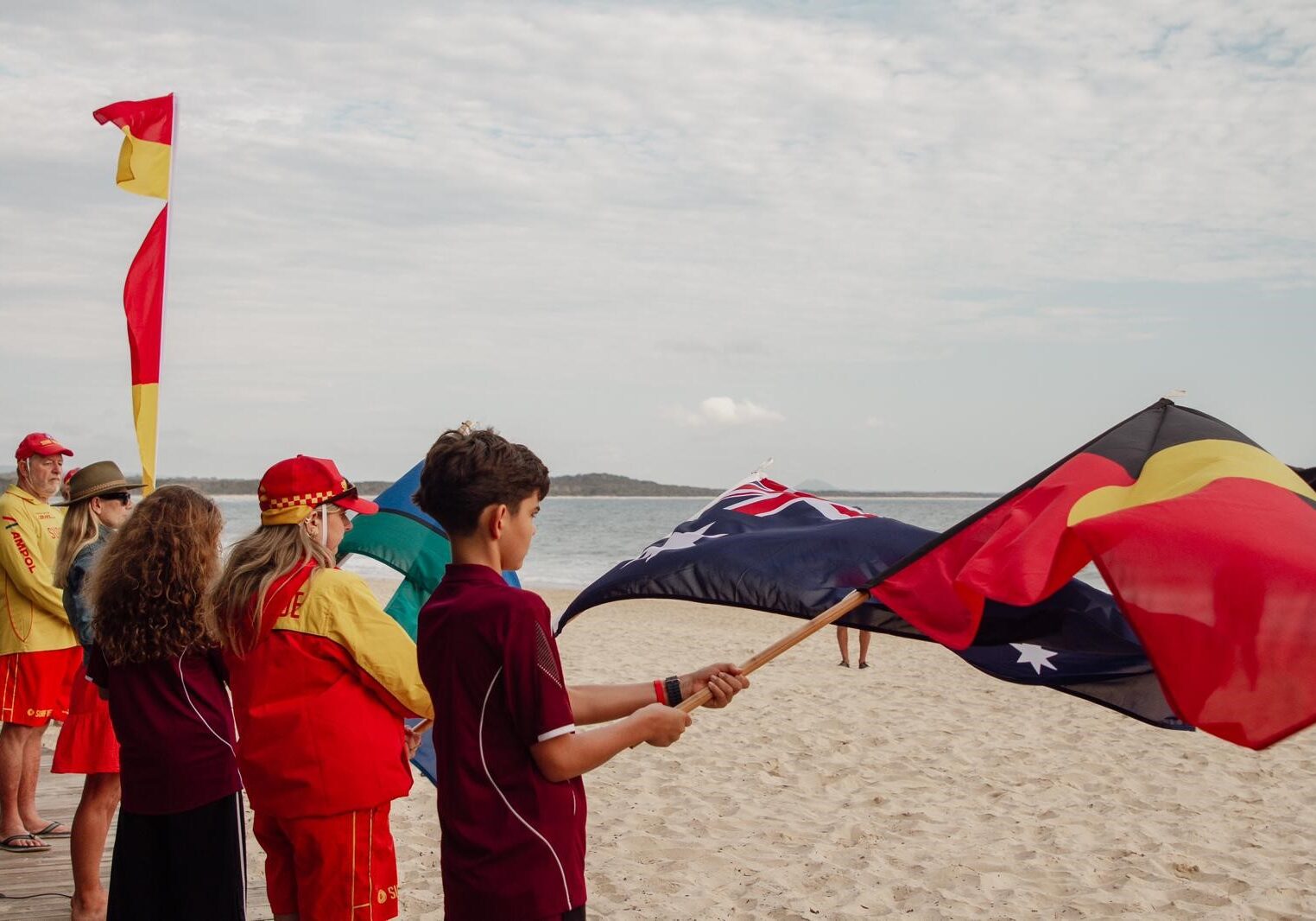
reconciliation in action
Raising of the Flags
Support your club to deliver a meaningful Raising the Flags patrol.
Ideas for Clubs
Explore practical ideas for club-based activities and engagement in SLSQ’s quarterly update:
campaign resources
Everything you need to get involved in National Reconciliation Week at your club
why it matters
Reconciliation is everyone’s responsibility.
It’s about building respectful relationships, strengthening communities, and creating an environment where Aboriginal and Torres Strait Islander peoples feel safe, valued and included.
Supported By Queensland Government, Department of Women, Aboriginal and Torres Strait Islander Partnershps, and Multiculturalism.