psychological safety
information for members
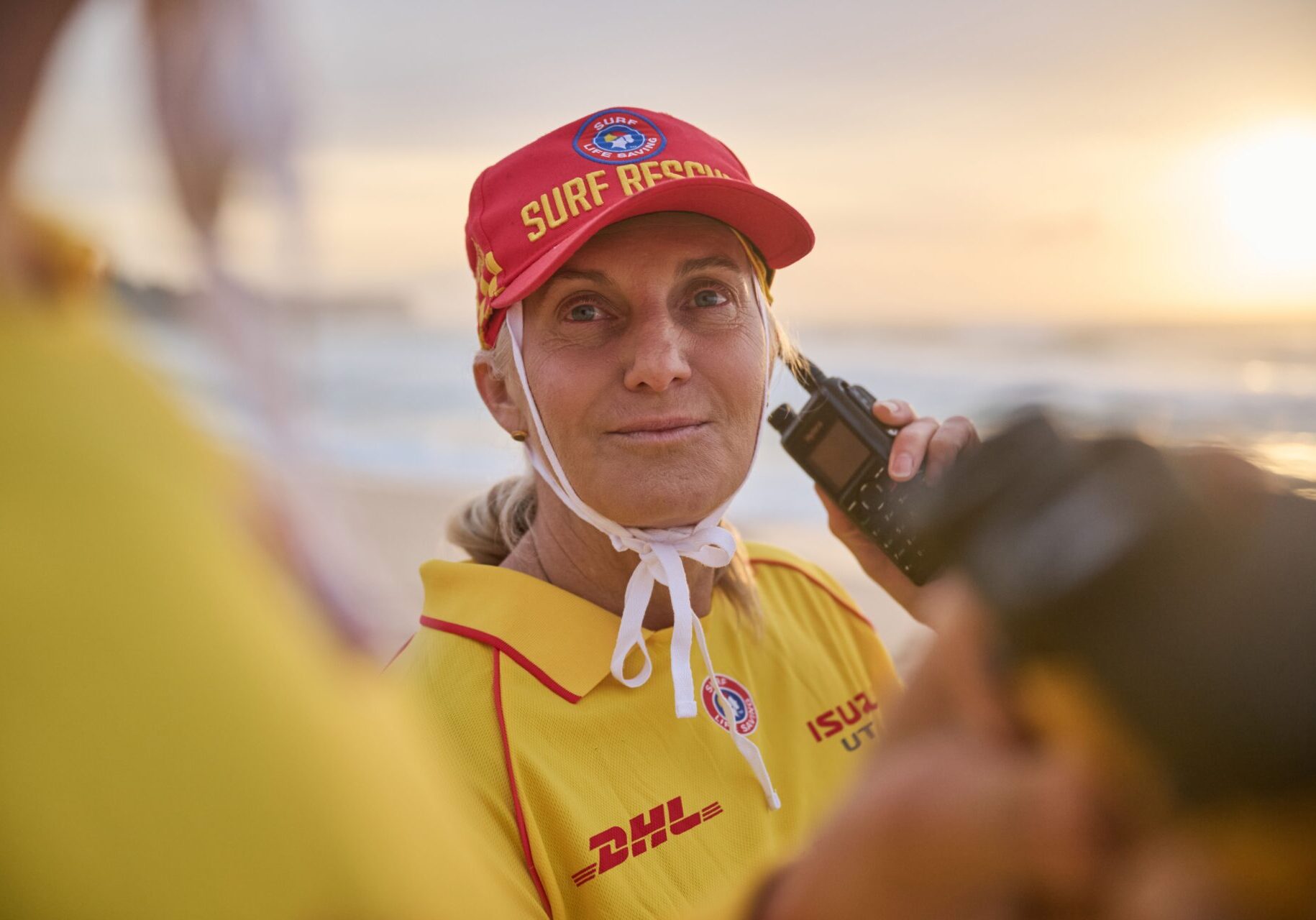
feeling safe to speak up
Psychological safety refers to an environment where people feel comfortable speaking up, asking questions or raising concerns without fear of embarrassment, criticism or negative consequences.
In surf lifesaving environments, this matters more than most places. Patrol members, trainers and volunteers often work in situations where clear communication and quick decisions are critical.
When members feel safe to speak up, they are more likely to raise concerns, ask for clarification and support each other during challenging situations.
Psychological safety helps teams communicate openly, learn from experience and work together more effectively.
why psychological safety matters
In club environments, people bring different experience levels, personalities and perspectives. When members feel comfortable contributing, teams benefit from broader ideas and stronger collaboration.
Psychological safety supports:
- clearer communication during patrol and training
- early identification of safety concerns
- learning from mistakes or near-misses
- stronger teamwork and trust
- greater confidence for new or younger members
When people feel unable to speak up, important information can be missed and problems may go unaddressed.
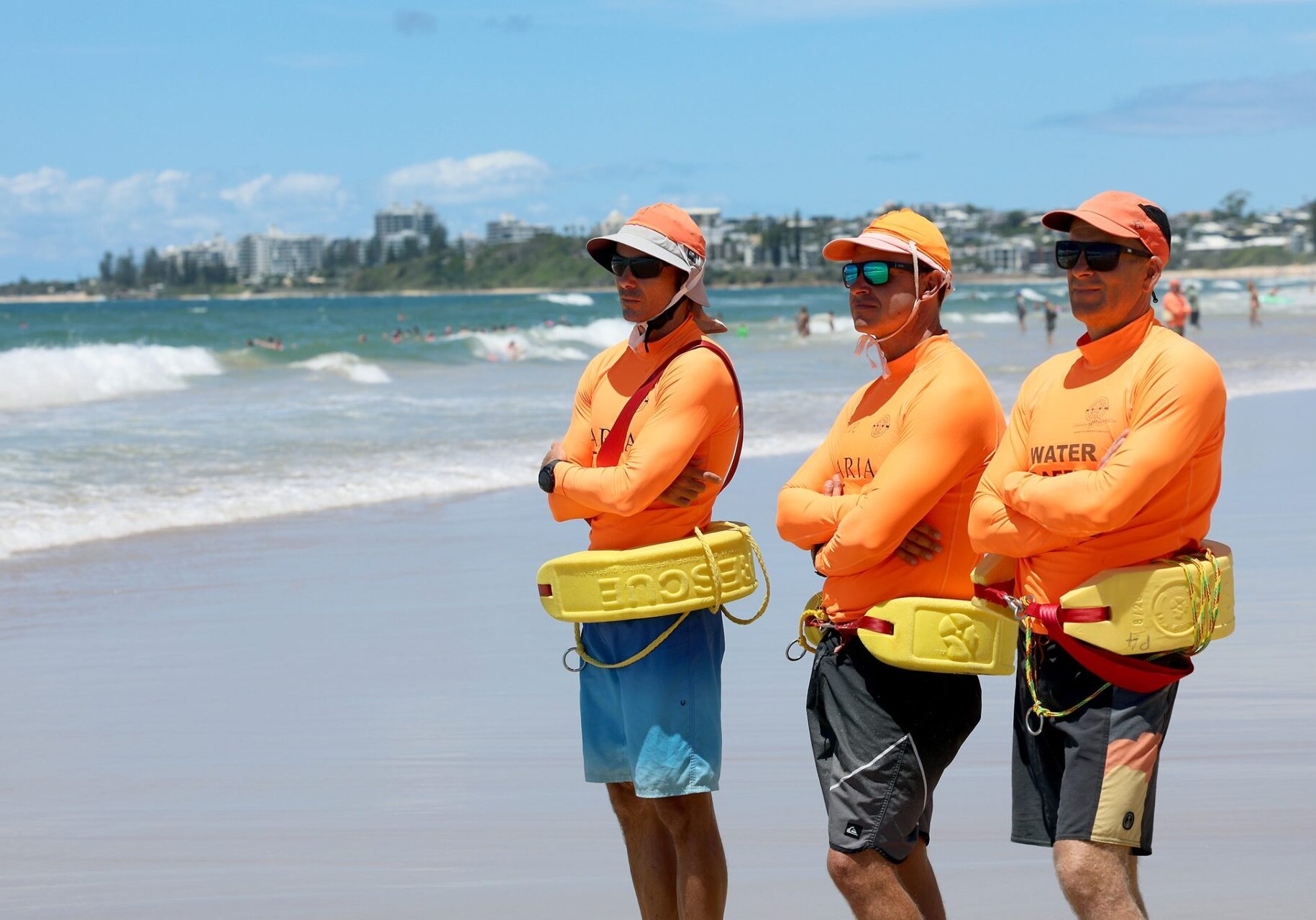

signs psychological safety is low
Sometimes teams unintentionally create environments where people hesitate to contribute.
Signs psychological safety may be low include:
- members reluctant to ask questions or admit uncertainty
- hesitation to raise safety concerns or ideas
- fear of being criticised for mistakes
- conversations dominated by only a few voices
- members feeling uncomfortable sharing opinions
These patterns can reduce learning and collaboration within teams.
why people stay quiet
There are many reasons someone might hesitate to speak up in a team environment.
- worrying about looking inexperienced
- concern about negative reactions from others
- previous experiences where feedback was dismissed
- feeling that their opinion will not matter
Creating an environment where members feel respected and heard can help reduce these barriers.
building psychological safety in teams
encourage questions and input
Members should feel comfortable asking questions, sharing ideas or raising concerns during patrols, training sessions or meetings.
Simple behaviours like inviting input, acknowledging questions and thanking people for raising concerns help reinforce that speaking up is valued.
respond constructively to mistakes
Mistakes and near-misses can provide valuable learning opportunities. When teams focus on understanding what happened and how to improve processes, members are more willing to speak openly about challenges.
Blame-focused responses, on the other hand, often discourage people from sharing information.
lead with respect and openness
Leaders, experienced members and patrol captains play an important role in shaping team culture. Calm responses, respectful communication and openness to feedback signal that every member’s contribution matters.
When people feel respected, they are more likely to engage, learn and support each other.
factsheets
FACT SHEET 1 (MEMBERS) — Psychological Safety: signs, risks & what to do
FACT SHEET 2 (CLUBS & LEADERS) — Enhancing Psychological Safety
FACT SHEET 3 (PATROL & OPERATIONS LEADERS) — Understanding how psychological safety is important for operations
FACT SHEET 4 (PEERS / TEAMMATES) — Creating a psychologically safe team environment
Need more help or support?
- If it’s urgent or someone is at risk: call emergency services immediately 000.
- If you need more support: contact your GP or a mental health professional, and contact us at [email protected].
- In-club: reach out to a trusted leader (Patrol Captain, Club Captain/Director, President).