parent support
information for
members

There's a role for everyone Parent Chaperones

Recognising the role of a parent

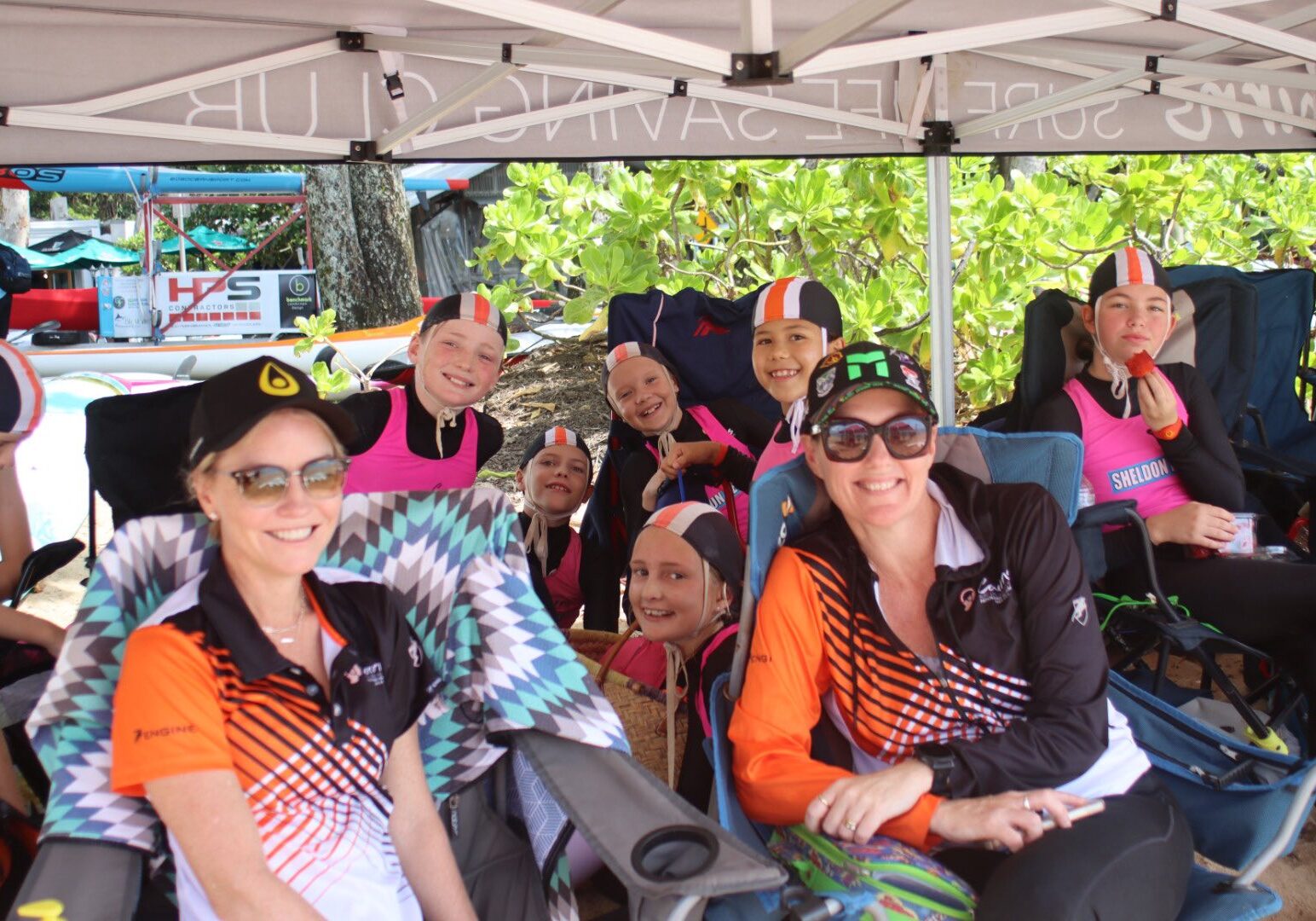
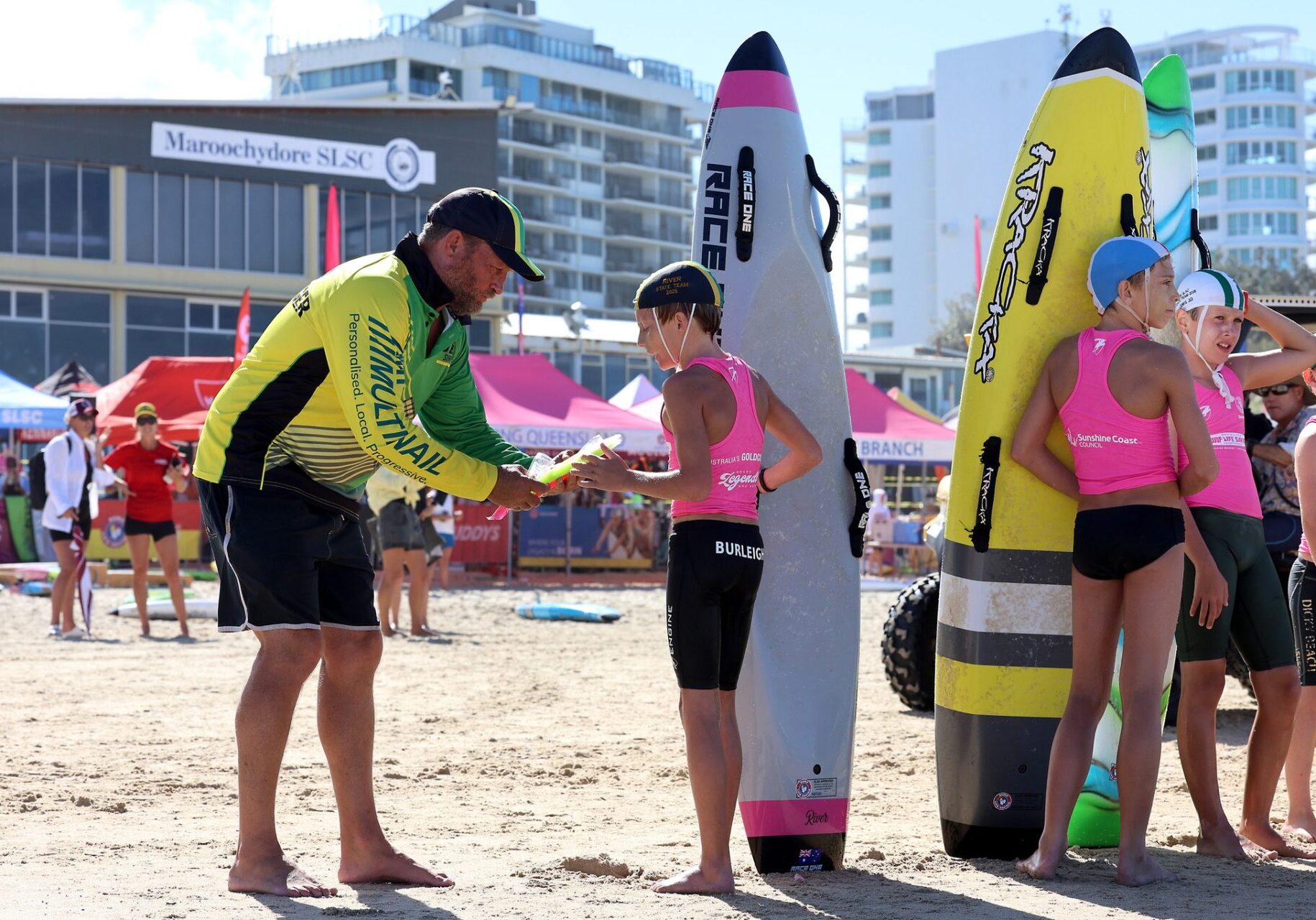
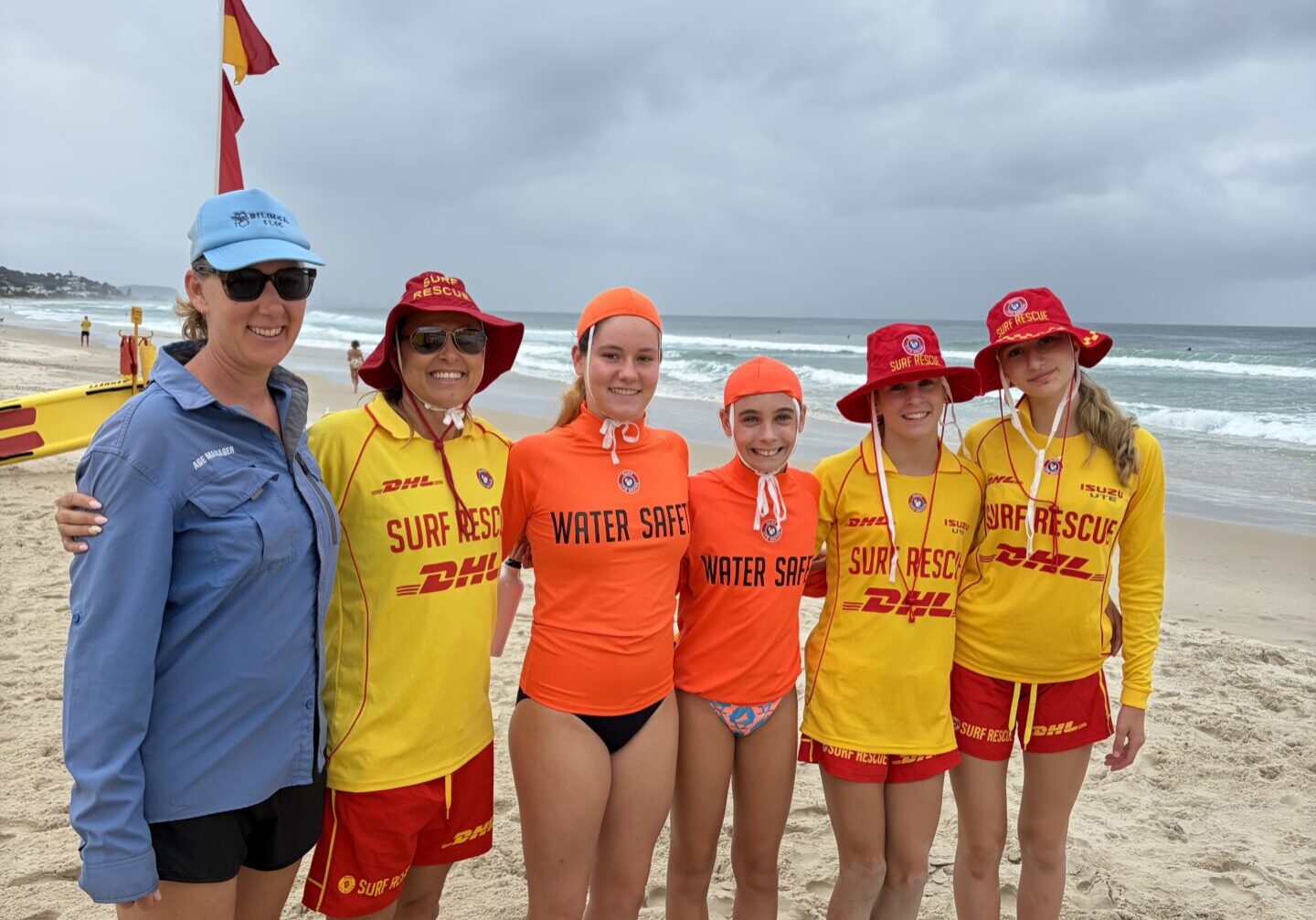
Parents and supporters are a key part of the surf lifesaving community - often balancing their own work, family responsibilities and daily pressures alongside the commitment of supporting a young person in the club environment.

Research across family wellbeing shows that parents and carers often carry a significant emotional and practical load, particularly when navigating busy schedules, competing priorities and the ups and downs that come with growth, sport and community involvement.

the unsee side of parenting a lifesaver

Supporting a member or athlete in surf lifesaving often involves more than what is visible on the beach. Behind the scenes, many parents and supporters are managing schedules, logistics and emotional support alongside their own responsibilities.

This can include:

  • early mornings and long days around patrol or events
  • coordinating transport, gear and changing schedules
  • balancing family, work and club commitments
  • supporting motivation through both highs and setbacks
  • managing communication across multiple channels

Much of this effort goes unseen, but it plays an important role in the overall experience.

parent
IMG_1763
Common myths that dont help

Some expectations around parenting and support can add unnecessary pressure.

  • “You have to be at everything.”
    Consistent support matters more than constant presence.
  • “Other parents are managing it better.”
    Most people are balancing similar challenges behind the scenes.
  • “If I step back, I’m letting people down.”
    Stepping back at times is part of maintaining balance.
  • “I should have all the answers.”
    Parenting and supporting others often involves learning as you go.

Letting go of unrealistic expectations can reduce pressure and improve overall experience.

supporting a child after a traumatic incident

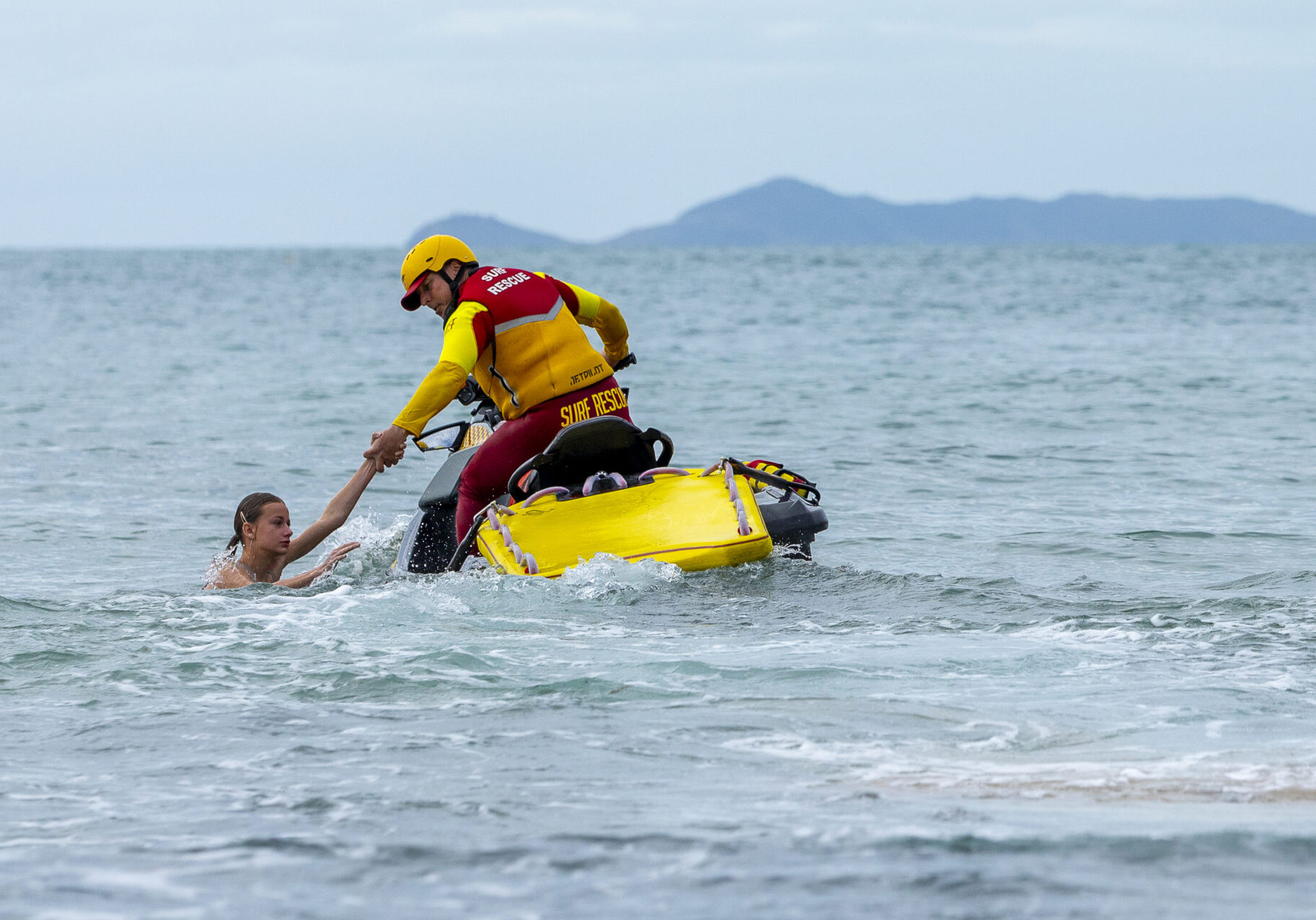
Surf lifesaving can expose young members to situations that are confronting or emotional. After a critical incident, it is normal to experience a range of reactions - immediately or over time.

Whether your child witnessed an event, helped during a rescue, or experienced a frightening situation during training or patrol, it’s normal for them to have emotional or physical reactions afterwards.

The guide below helps you understand what to look for and how to support your child over the coming days and weeks.

SLQ-132

parentline - support for parents and caregivers

Parentline offers free and confidential counselling for parents and carers across Queensland and the Northern Territory. Support is available from 6am to midnight (AEST), 7 days a week, via phone or web chat.

Parents and carers speak with degree-qualified counsellors who can provide guidance, support and practical advice across a range of challenges - whether it’s everyday pressures or more complex situations.

Parentline recognises that issues such as bullying can be a significant concern for families. Where needed, counsellors can connect parents with additional support, including referrals to Education Queensland Parent Navigators to help work through concerns with schools.

In addition to one-on-one support, Parentline also facilitates My Circle for Parents  a free, anonymous online community where parents and carers can connect, share experiences and access guidance across different stages of parenting. The platform provides support around topics such as family transitions, online safety, bullying and overall wellbeing.

Need more help or support?

  • If it’s urgent or someone is at risk: call emergency services immediately 000.
  • If you need more support: contact your GP or a mental health professional, and contact us at [email protected].
  • In-club: reach out to a trusted leader (Patrol Captain, Club Captain/Director, President).