Marine Creature Symposium Strengthens Collaboration and Advances Public Safety Outcomes
May 28, 2026
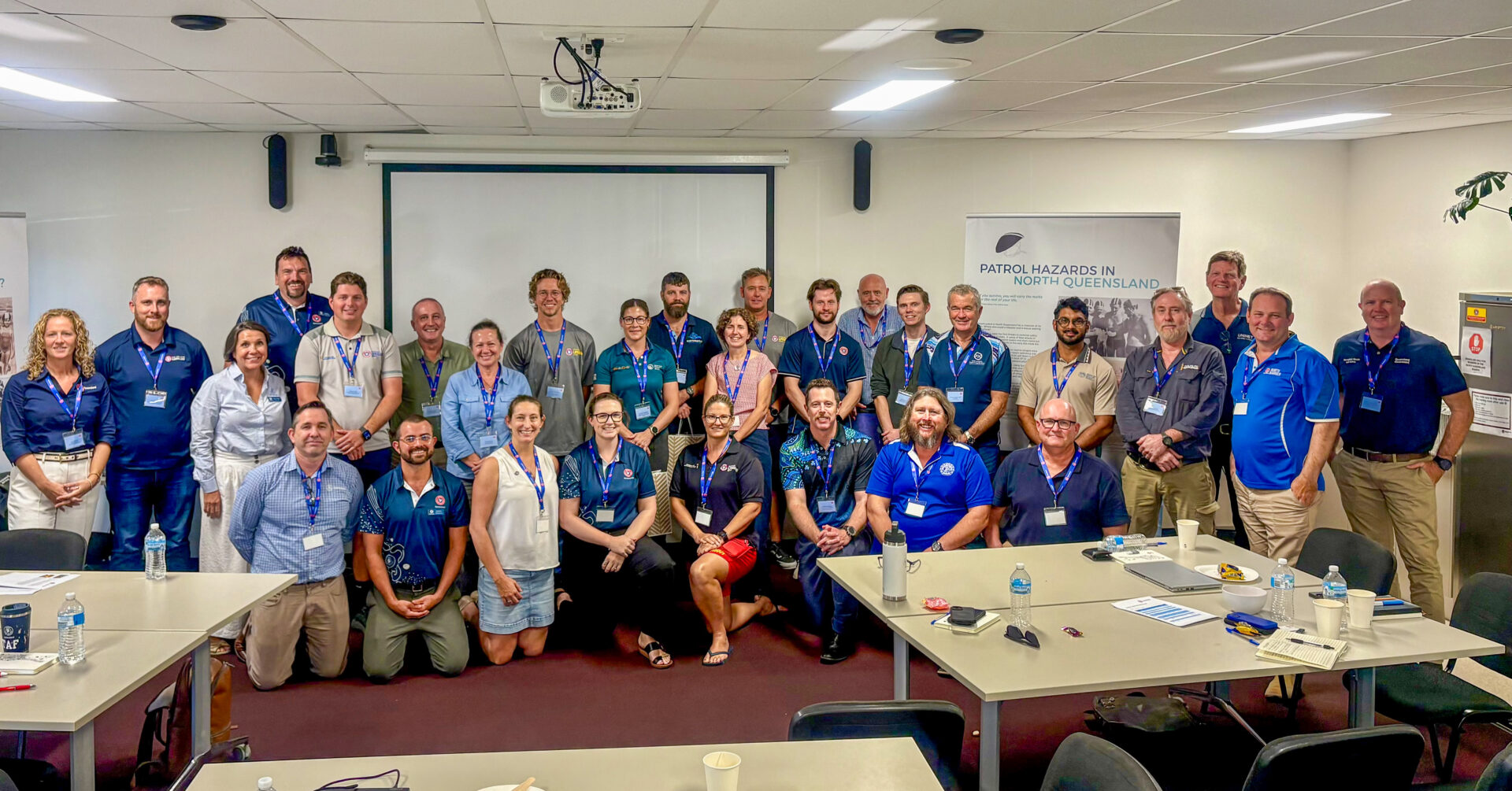
More than 45 Surf Life Saving Queensland (SLSQ) staff, marine researchers, industry experts, and local and state government stakeholders came together in Far North Queensland this month for the 2026 Marine Creature Symposium.
Hosted by SLSQ at Smithfield on Monday 18 May, the full-day symposium marked the return of Queensland’s premier marine creature research forum for the first time since 2023, with attendees praising the event’s strong collaboration, valuable knowledge sharing, and the opportunity to strengthen relationships across the sector.
The symposium featured presentations and research updates from leading experts including Dr Kylie Pitt, Dr Jaz Lawes, Dr Scott Morrissey, representatives from the Queensland Department of Environment and Science, and senior executives from Surf Life Saving Queensland.
The event highlighted the latest research into jellyfish, Irukandji syndrome, and other dangerous marine species impacting Queensland waters, while reinforcing the importance of evidence-based safety strategies and coordinated operational responses.
Attendees reflected positively on the progress and advancements made since the previous symposium in 2023, with many noting the value of reconnecting with stakeholders and building new partnerships across the marine safety and research sectors.
SLSQ Chief Operating Officer Greg Cahill said the symposium demonstrated the importance of collaboration in improving public safety outcomes along Queensland’s coastline.
“The symposium provided an invaluable opportunity to bring together researchers, frontline lifesaving personnel, government agencies and industry stakeholders to share knowledge and strengthen partnerships,” Mr Cahill said.
“It was extremely encouraging to hear from attendees who recognised the significant progress that has been made since 2023, particularly in research, operational response capabilities and collaborative approaches to marine safety.”
“The conversations and connections formed throughout the day will play an important role in supporting future research and ensuring Queensland continues to lead the way in marine creature management and beach safety.”
The symposium followed another significant marine stinger season across Queensland, with 66 beach closures recorded during the 2025/26 summer season due to marine stinger activity and 18 closures due to crocodile sightings, along with seven suspected box jellyfish and Irukandji stings.
Mr Cahill said the event reinforced the need for continued investment in research, education and operational readiness.
“Queensland’s coastline presents unique challenges, particularly in North Queensland, and forums like this are critical in ensuring we continue to improve public safety outcomes through science, innovation and collaboration,” he said.
“By bringing together some of Australia’s leading marine researchers and operational experts, we are ensuring lifesaving services remain informed by the latest evidence and best practice approaches.”
As Queensland’s peak beach safety and rescue authority, SLSQ continues to support dangerous marine creature research, public education initiatives and collaborative partnerships aimed at reducing preventable deaths and injuries along the coastline.