leadership pressure
information for members
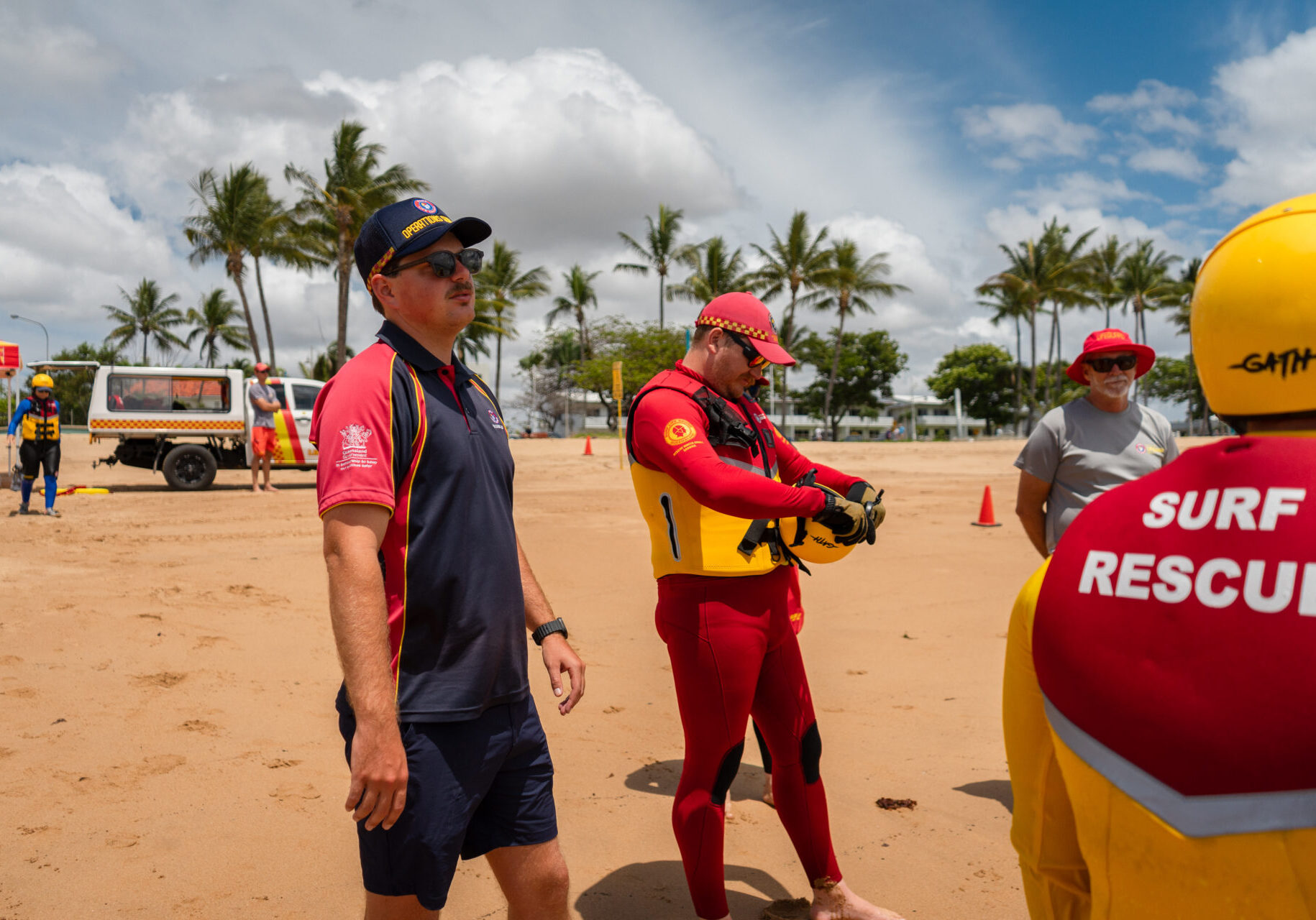
supporting others while managing responsibilty
Leadership roles are an important part of surf lifesaving clubs. Positions such as club captain, patrol captain, sport captain, committee members and trainers help coordinate patrol operations, training activities, competitions and club functions.
These roles often involve supporting members, making decisions and helping the club run smoothly.
While leadership can be rewarding and meaningful, it can also bring pressure. Leaders may feel responsible for ensuring patrols run safely, resolving issues between members, managing expectations and keeping club activities organised.
Recognising the pressures associated with leadership roles can help leaders maintain balance and wellbeing.
where leadership pressure can come from
Leaders in surf lifesaving clubs often balance multiple responsibilities at once.
Pressure may come from:
- ensuring patrols operate safely and effectively
- coordinating members and managing rosters
- responding to concerns or conflicts within the team
- organising training sessions, competitions or club events
- balancing club responsibilities with work, family and personal commitments
Leaders may also feel a strong sense of responsibility to support other members and maintain a positive club environment.
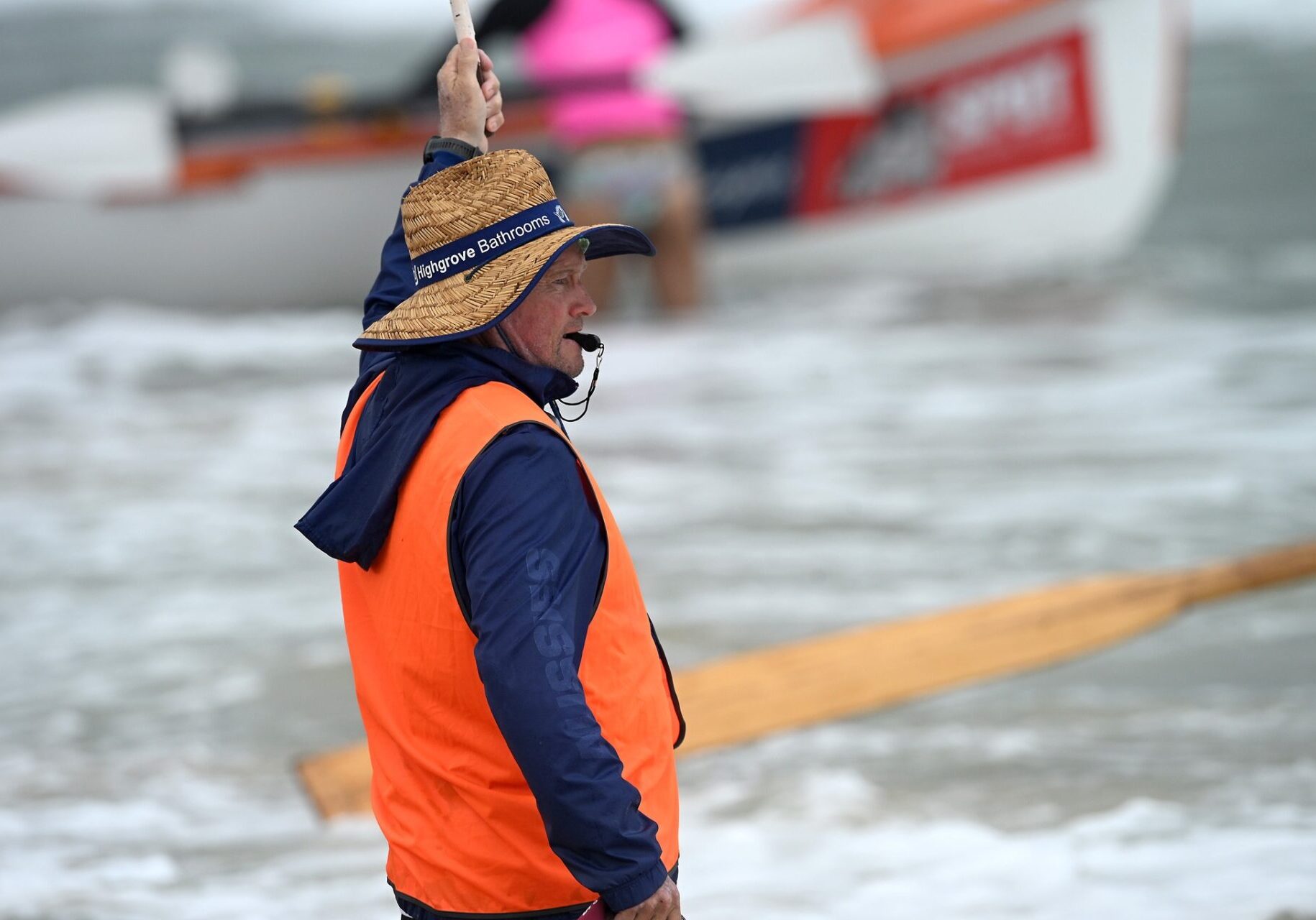
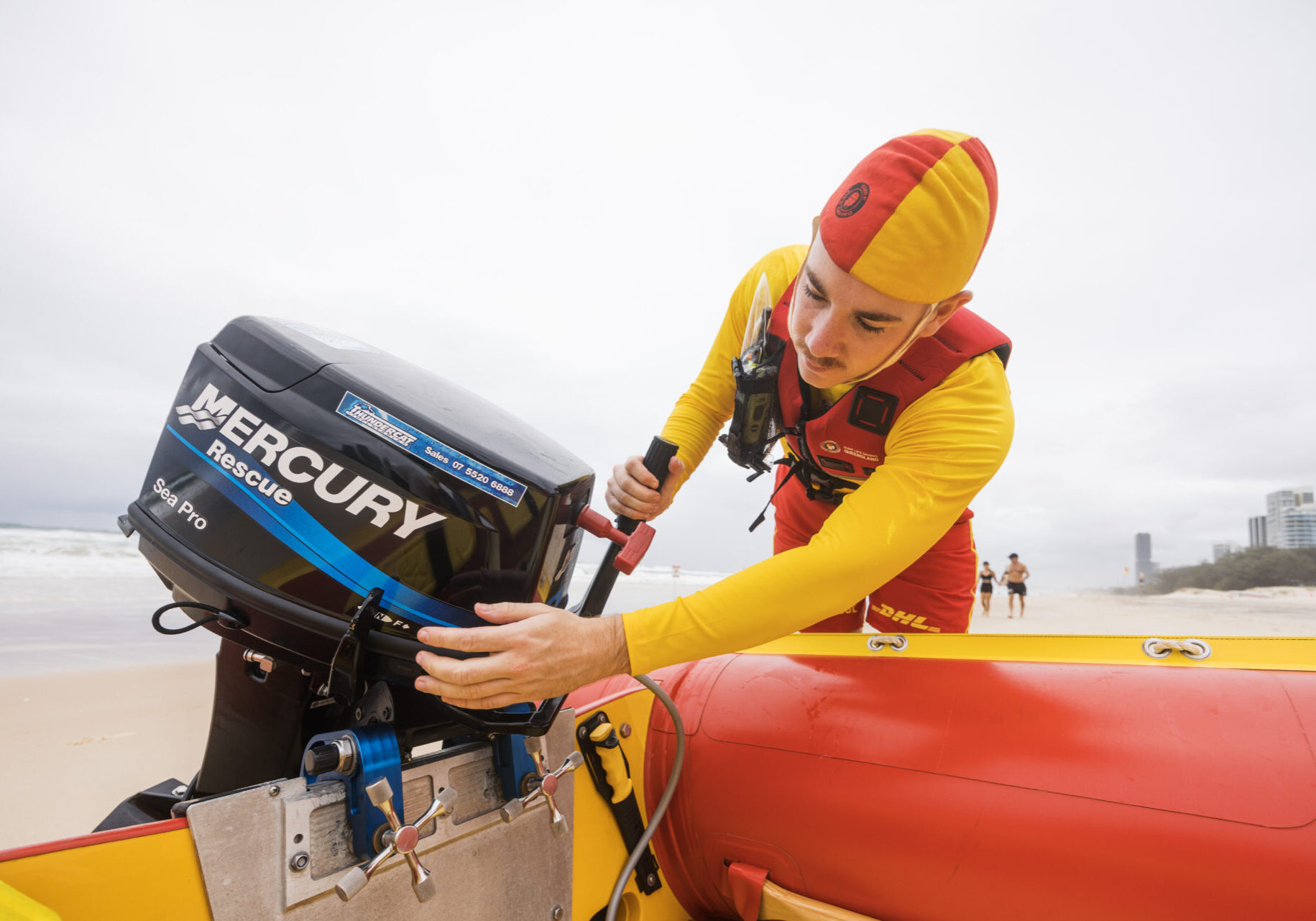
leadership pressure building
When leadership demands become too heavy, individuals may begin to notice:
- feeling responsible for solving every issue in the team
- difficulty switching off from club responsibilities
- frustration or fatigue from ongoing decision-making
- pressure to always be available to members
- reduced enjoyment of leadership roles
Over time, ongoing pressure can lead to stress, fatigue or burnout if support and balance are not maintained.
Recognising these signs early can help leaders adjust their workload or seek support.
Managing pressure in healthy ways
share responsibility across the team
Leadership works best when responsibilities are shared. Delegating tasks, involving other members and encouraging participation helps distribute workload more evenly.
Strong teams support their leaders rather than relying on one person to manage everything.
set realistic expectations
Leaders cannot solve every issue immediately or meet every request. Setting clear expectations about availability and responsibilities helps create healthier boundaries.
Recognising that leadership is a team effort can reduce unnecessary pressure.
maintain balance outside the role
Leaders still need time for rest, work, family and personal commitments. Taking breaks, stepping back when needed and seeking support helps maintain long-term wellbeing.
Sustainable leadership allows members to continue contributing positively to their clubs.
Need more help or support?
- If it’s urgent or someone is at risk: call emergency services immediately 000.
- If you need more support: contact your GP or a mental health professional, and contact us at [email protected].
- In-club: reach out to a trusted leader (Patrol Captain, Club Captain/Director, President).