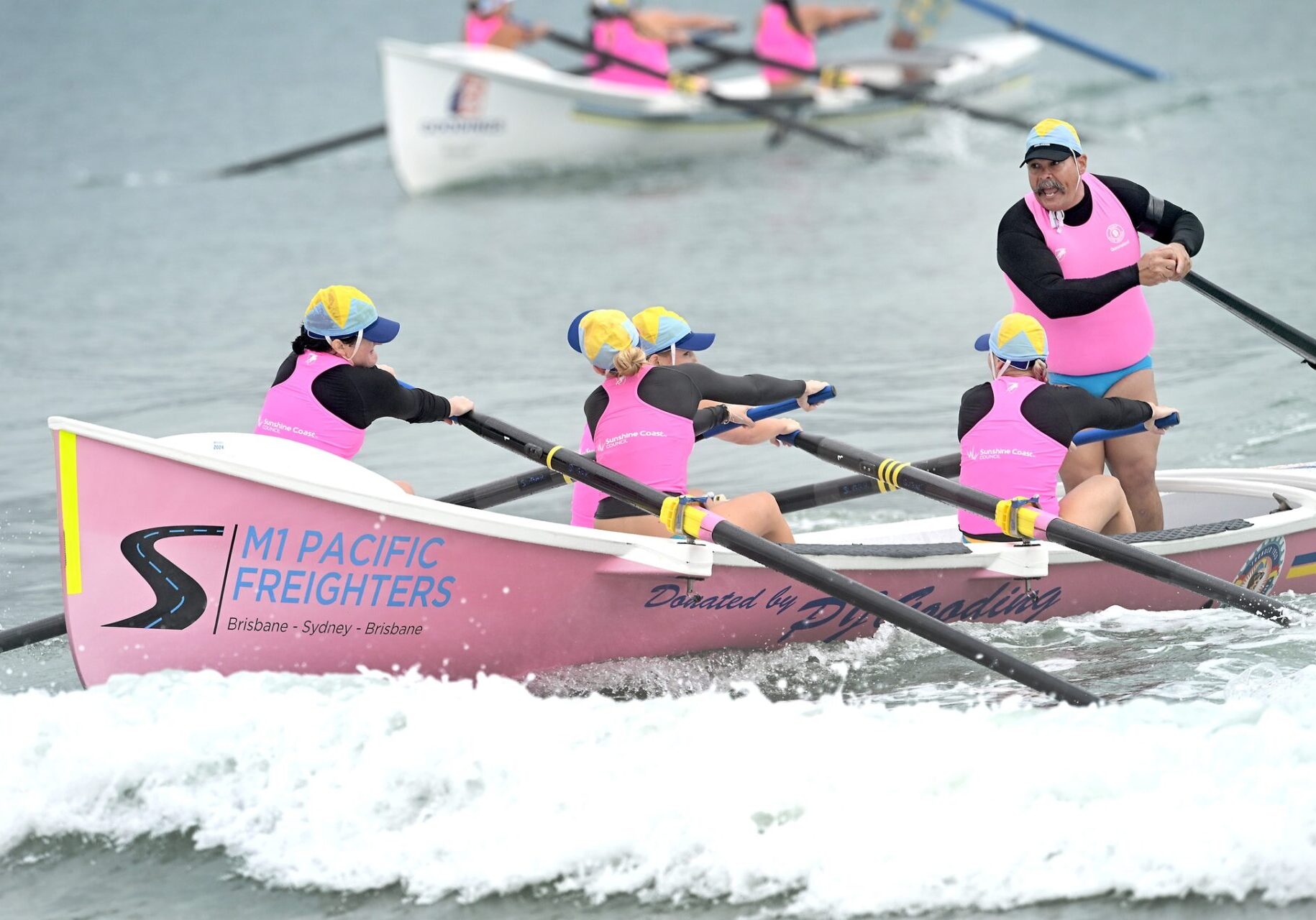
Why Movement is Medicine
Movement is one of the simplest, evidence-backed ways to support mental health. Regular physical activity can help reduce stress, lift mood, improve sleep, and build resilience over time.
You don’t need to be a “fitness person” to get benefits. Research-backed mental health benefits include:
- Less anxiety and low mood: Physical activity can help prevent or manage mild anxiety and depression, and reduce symptoms of depression and anxiety.
- Better sleep and energy: Exercise can improve sleep, fitness, and energy levels (which can strongly affect mood and coping).
- A circuit-breaker for stress: Movement helps your body “use up” stress activation and can interrupt rumination and worry loops.
- More confidence and control: Achievable activity goals can build self-esteem and a sense of progress when life feels heavy.
- Connection and belonging: Being active with others (walks, training, team sessions) adds social support and reduces loneliness.
Why it’s especially relevant in surf lifesaving
Surf lifesaving can be physically and mentally demanding: long days, decision-making under pressure, public conflict, and juggling club/work/home. Exercise supports the basics that keep you steady: sleep, stress regulation, energy, and recovery.
The “how” (what counts as exercise?)
It doesn’t have to be intense. Walking, swimming, cycling, gym, resistance training, yoga, stretching, or even active play all count. Beyond Blue notes even small amounts of activity can help.
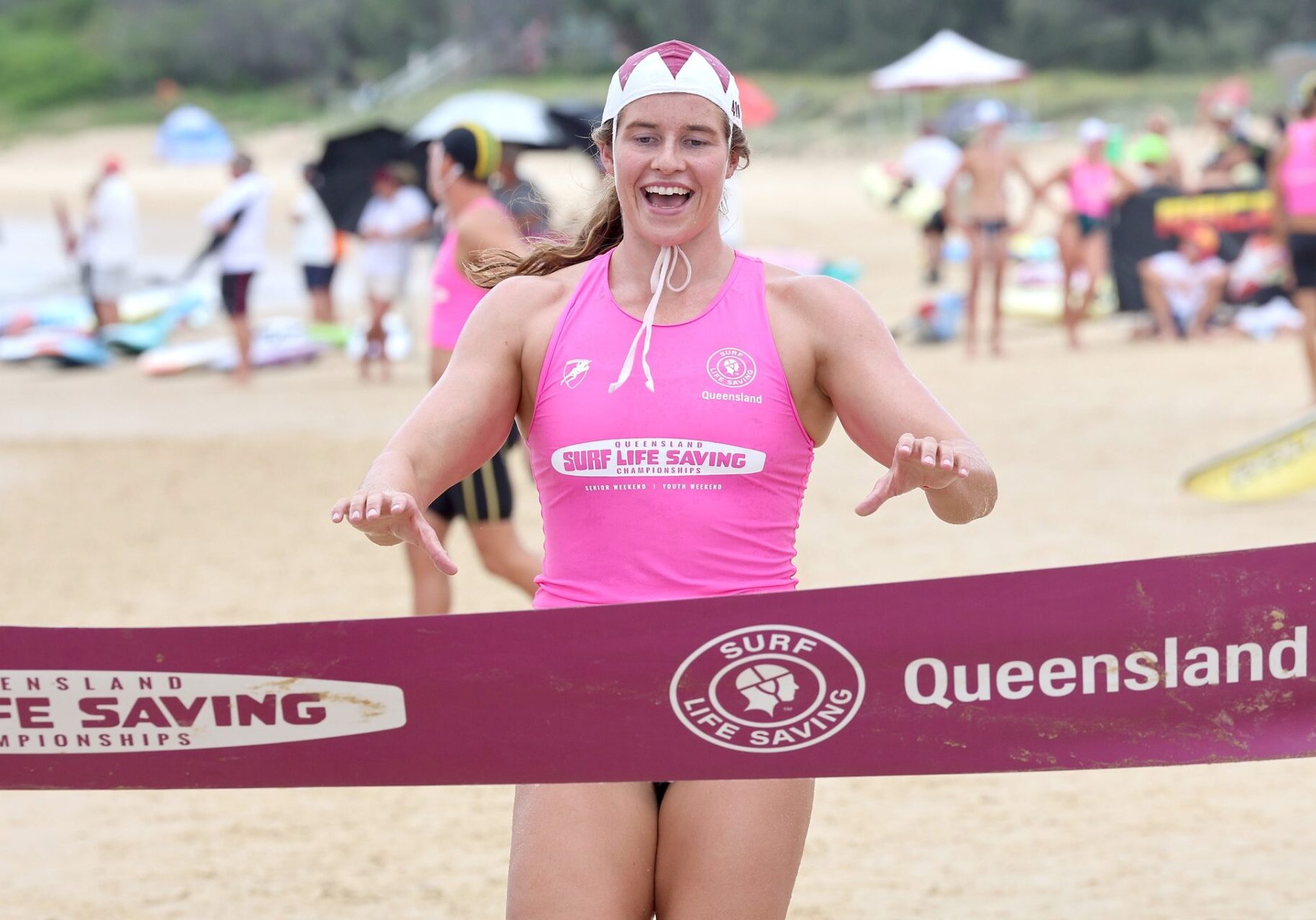
Simple, realistic ways to start (pick one)
If you’re flat or busy:
- 10 minutes counts. Start small and build.
- Attach it to something you already do: walk after dinner, stairs at work, park further away.
If you’re stressed:
-
Try a brisk walk or short swim to “downshift” your nervous system.
If you’re struggling with motivation:
- Choose the easiest option you’ll actually do (not the perfect plan).
- Put it in your calendar like a patrol shift.
If you need connection:
-
Ask a teammate to join you: “Want to do a 20-min walk before training?”
A simple weekly plan (beginner-friendly)
Choose one option and repeat it for 2 weeks:
- Option A: 10–15 minutes, 3 times this week
- Option B: 20 minutes, 2–3 times this week
- Option C: One longer session on the weekend + two short sessions midweek
The goal is consistency, not intensity.
Need more help or support?
- If it’s urgent or someone is at risk: call emergency services immediately 000.
- If you need more support: contact your GP or a mental health professional, and contact us at [email protected].
- In-club: reach out to a trusted leader (Patrol Captain, Club Captain/Director, President).