exercise
information for members
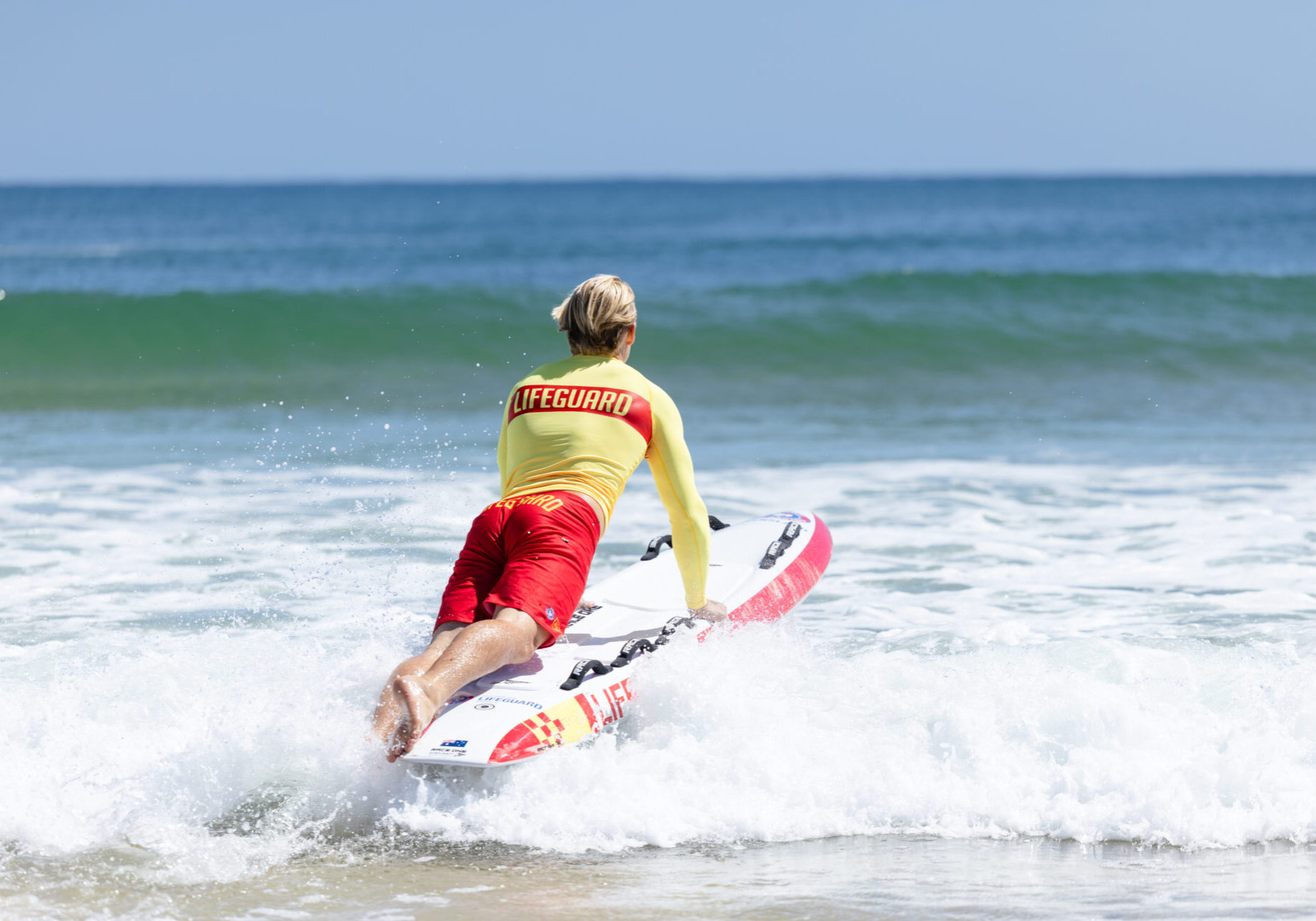
movement as a mental reset
Exercise is often associated with fitness tests, competition, or patrol readiness in surf lifesaving. But movement also plays an important role in supporting mental health and overall wellbeing.
Regular physical activity can help regulate stress, improve mood, boost energy levels and support better sleep. It also helps the body recover from pressure, both physical and mental.
Research from organisations like the Black Dog Institute and Beyond Blue shows that regular movement can significantly reduce symptoms of stress, anxiety and low mood.
In simple terms, movement helps the brain reset.
Why exercise helps mental wellbeing
Regular physical activity can help:
-
reduce stress hormones in the body
-
improve mood and emotional regulation
-
increase energy levels
-
support better sleep
-
improve concentration and focus
-
build confidence and resilience
-
create healthy routines during busy or stressful periods
Even small amounts of movement can make a difference.
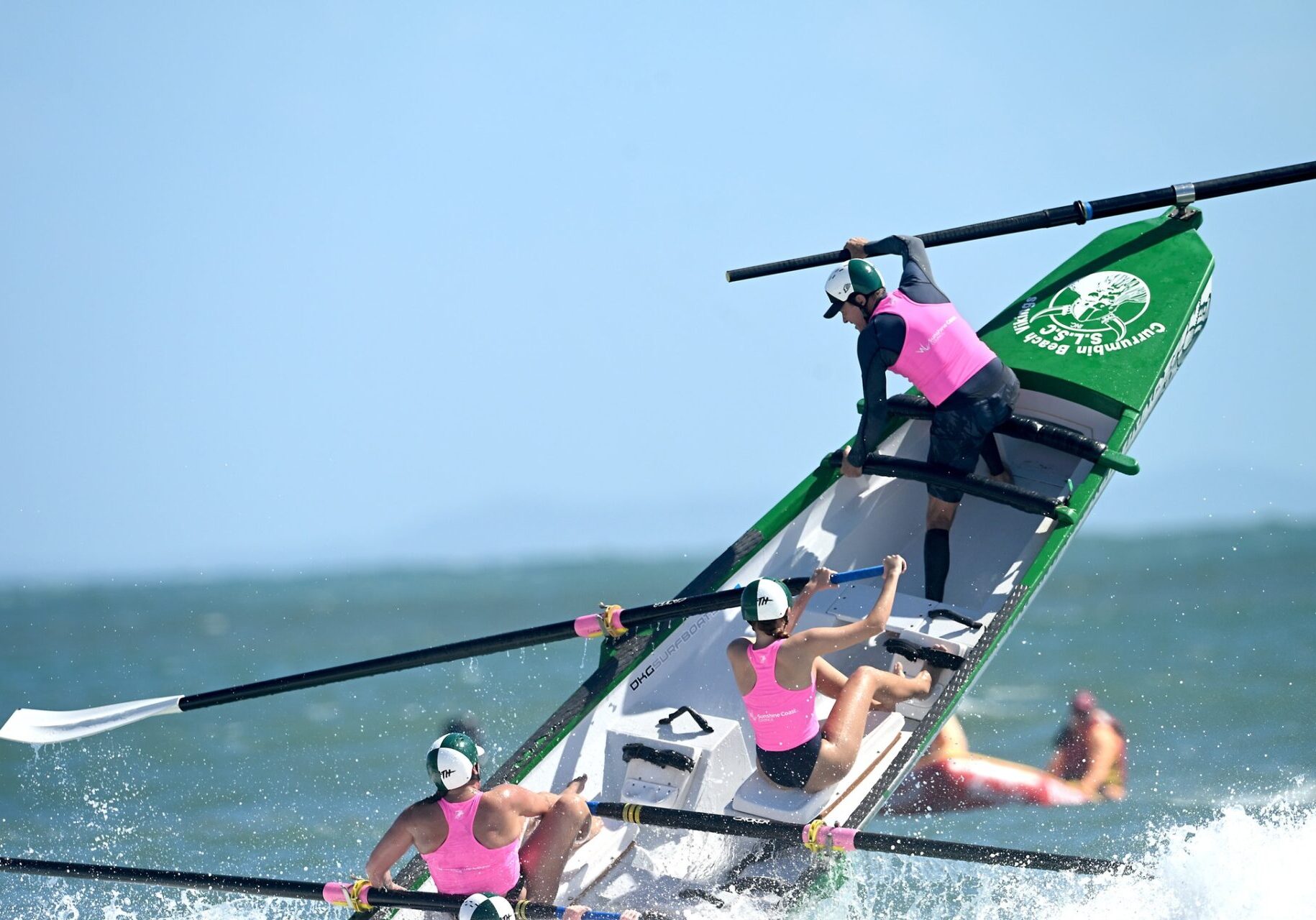
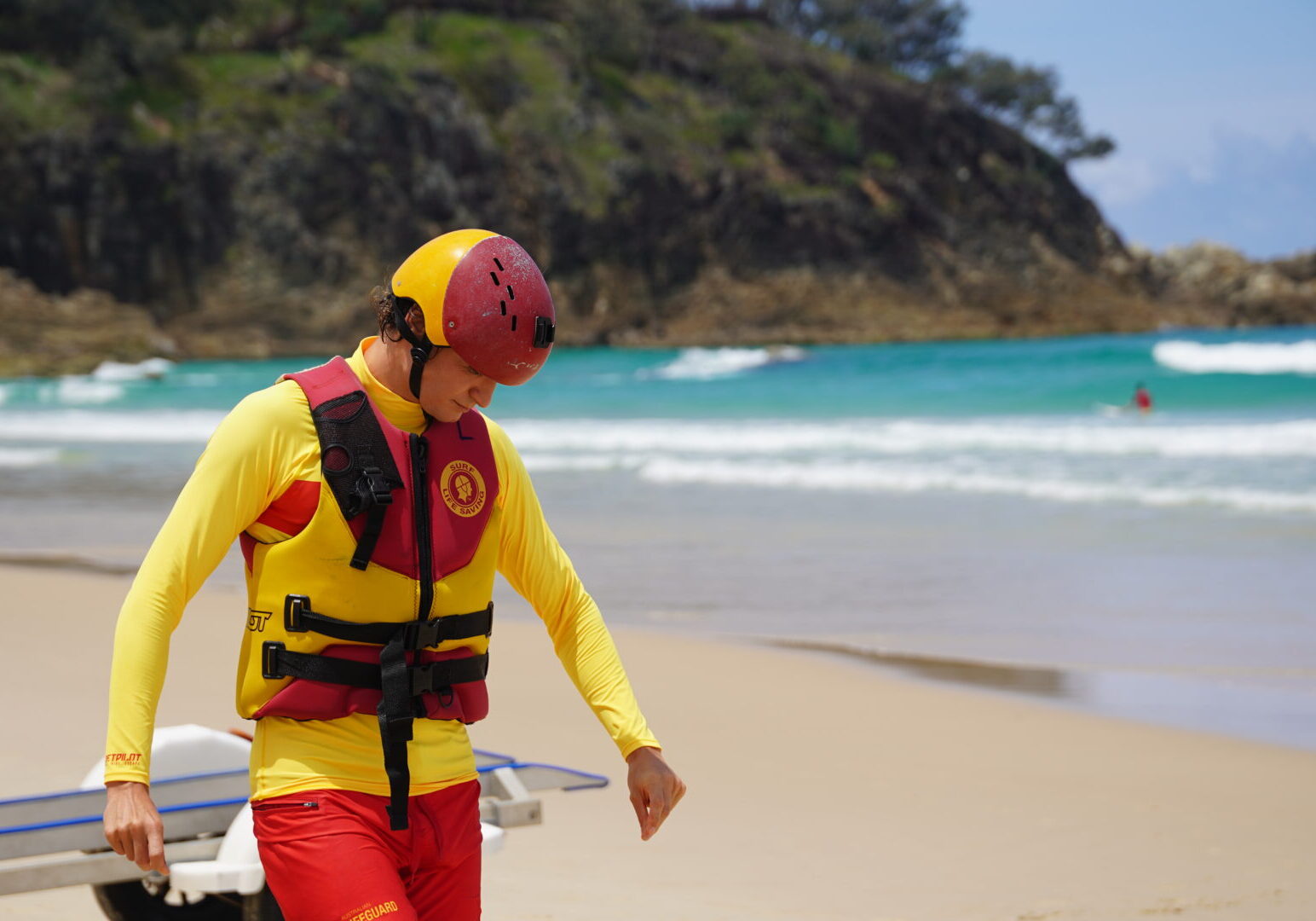
exercise in surf lifesaving
Surf lifesaving naturally involves physical activity through patrols, training, competition and water work.
However, the purpose of movement is not always performance. Exercise can also act as:
-
a mental reset after stressful incidents
-
a way to clear your head after a busy week
-
a healthy outlet for stress or frustration
-
time away from screens, work or responsibilities
-
an opportunity to connect with teammates
Not every session needs to be intense or competitive.
Signs exercise balance may be off
-
Training feels like an obligation rather than something you enjoy
-
Persistent fatigue or soreness
-
Feeling guilty when resting
-
Increased irritability or burnout
keeping exercise healthy
supportive exercise habits include:
-
Mixing intense training with lighter movement
-
Prioritising recovery days
-
Listening to your body when fatigued or injured
-
Adjusting training during busy life periods
-
Focusing on enjoyment, not just performance
example of exercise habits include
- Casual board paddles
- Walking or beach runs
- Stretching or mobility work
- Social training sessions
- Ocean swims
Need more help or support?
- If it’s urgent or someone is at risk: call emergency services immediately 000.
- If you need more support: contact your GP or a mental health professional, and contact us at [email protected].
- In-club: reach out to a trusted leader (Patrol Captain, Club Captain/Director, President).