conflict
information for members
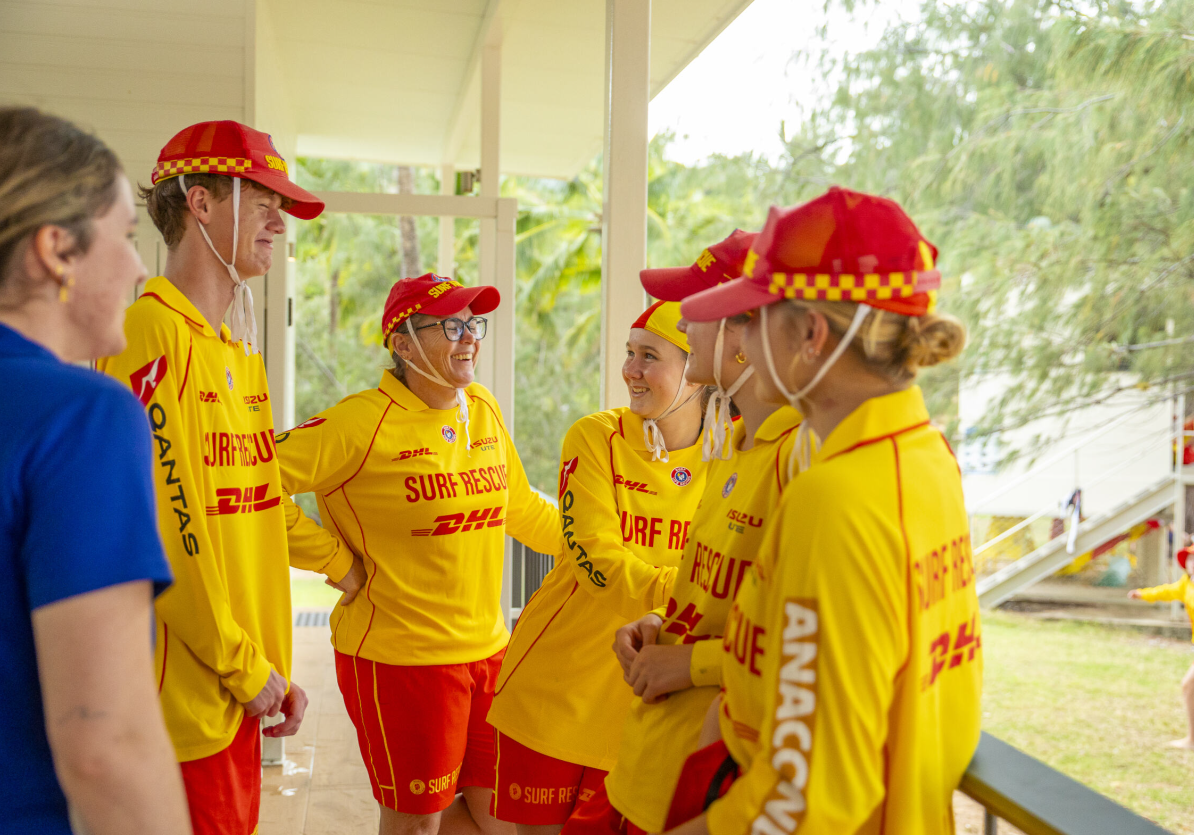
when disagreements happen
Conflict is a normal part of any team environment. In surf lifesaving clubs, disagreements can arise during patrol operations, competition preparation, committee decisions or everyday club activities.
Conflict may occur due to:
- different communication styles
- unclear expectations around roles or responsibilities
- pressure during busy patrol periods or events
- misunderstandings about decisions
- frustration about workload or fairness
Handled constructively, conflict can lead to better understanding and stronger teamwork.
when conflict becomes a problem
Conflict becomes harmful when it:
-
becomes personal rather than focused on issues
-
continues without resolution
-
spreads through gossip or group divisions
-
affects trust, morale or communication
If left unresolved, conflict can affect both individual wellbeing and club culture.
signs conflict may be developing
Conflict is a normal part of any team environment. In surf lifesaving clubs, disagreements can arise during patrol operations, competition preparation, committee decisions or everyday club activities.
Conflict may occur due to:
-
different communication styles
-
unclear expectations around roles or responsibilities
-
pressure during busy patrol periods or events
-
misunderstandings about decisions
-
frustration about workload or fairness
Handled constructively, conflict can lead to better understanding and stronger teamwork.
navigating conflict constructively
recognise that disagreement can be healthy
Clubs are built on passionate volunteers who care about safety, community and performance. Differences of opinion are natural when people are invested in outcomes.
keep discussions focused on the issue
When conversations stay focused on processes, expectations or decisions rather than personalities, solutions are easier to find.
prioritise respectful resolution
The goal is not always complete agreement, but restoring respectful working relationships so the team can continue to operate effectively.
Healthy clubs treat conflict as something to manage constructively rather than something to ignore.
factsheets
FACT SHEET 1 (MEMBERS) — Conflict: signs, risks & what to do
FACT SHEET 2 (CLUBS & LEADERS) — Preventing conflict in clubs
FACT SHEET 3 (PATROL & OPERATIONS LEADERS) — Understanding how conflict can affect operations
FACT SHEET 4 (PEERS / TEAMMATES) — How to support a teammate who might be experiencing conflict
Need more help or support?
- If it’s urgent or someone is at risk: call emergency services immediately 000.
- If you need more support: contact your GP or a mental health professional, and contact us at [email protected].
- In-club: reach out to a trusted leader (Patrol Captain, Club Captain/Director, President).