communication and
difficult conversations
information for members
why communication matters
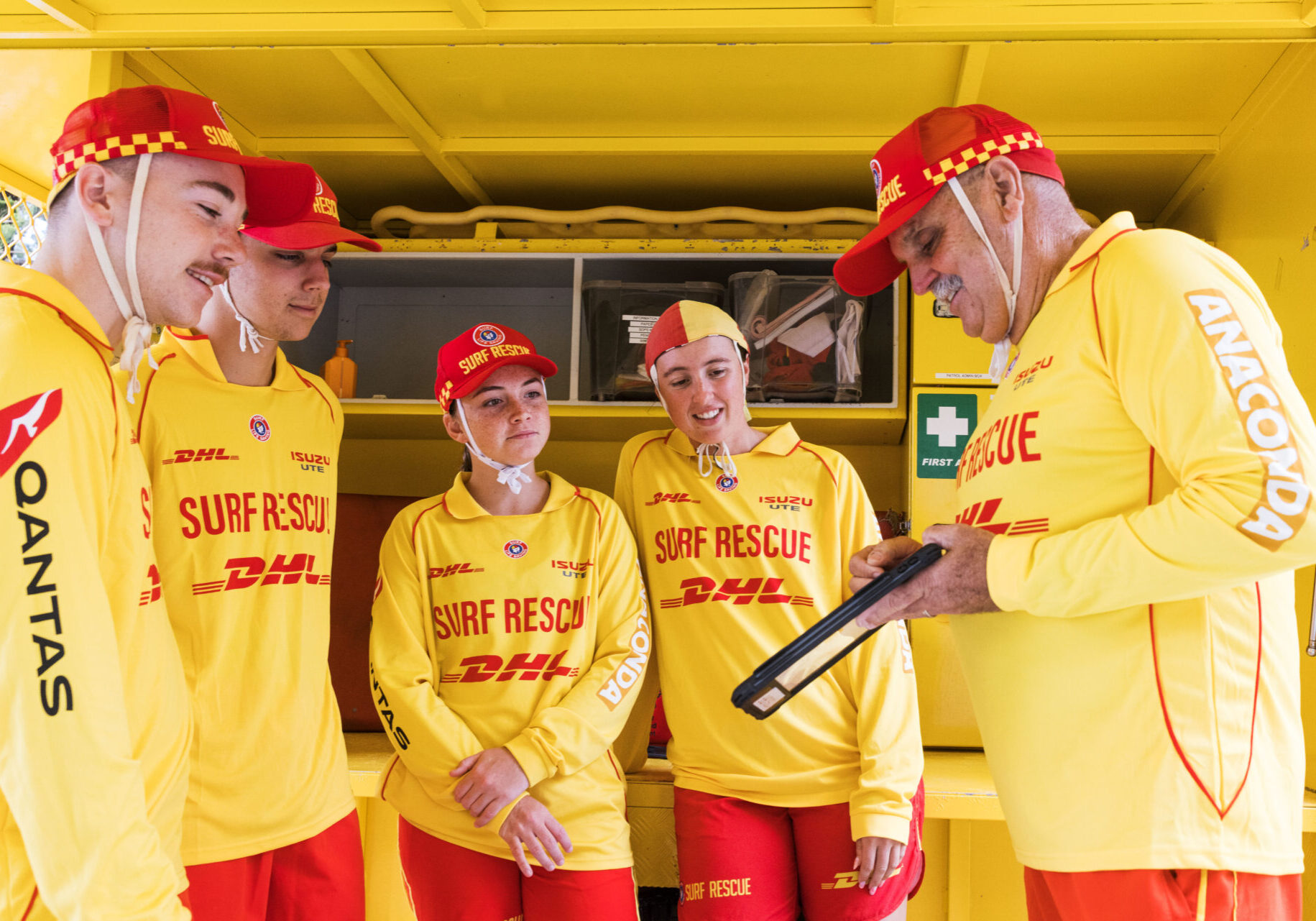
Clear communication is essential in surf lifesaving environments. Patrol operations, training sessions and club activities rely on members sharing information clearly and respectfully.
Good communication helps ensure members understand expectations, responsibilities and safety procedures.
However, difficult conversations may sometimes be necessary — for example when addressing behaviour, performance, misunderstandings or concerns within the team.
Avoiding these conversations can allow small issues to grow.
common communication challenges
Communication difficulties may appear as:
-
Unclear instructions or expectations - Members are unsure what is required or who is responsible.
-
Frustration about tone or delivery - Messages come across as abrupt, dismissive or overly critical.
-
Misunderstandings between members
-
Feedback conversations being avoided - Concerns are not raised early or addressed directly.
-
Issues discussed indirectly instead of directly
These challenges can affect teamwork and trust within the club.

when a difficult conversation is needed
-
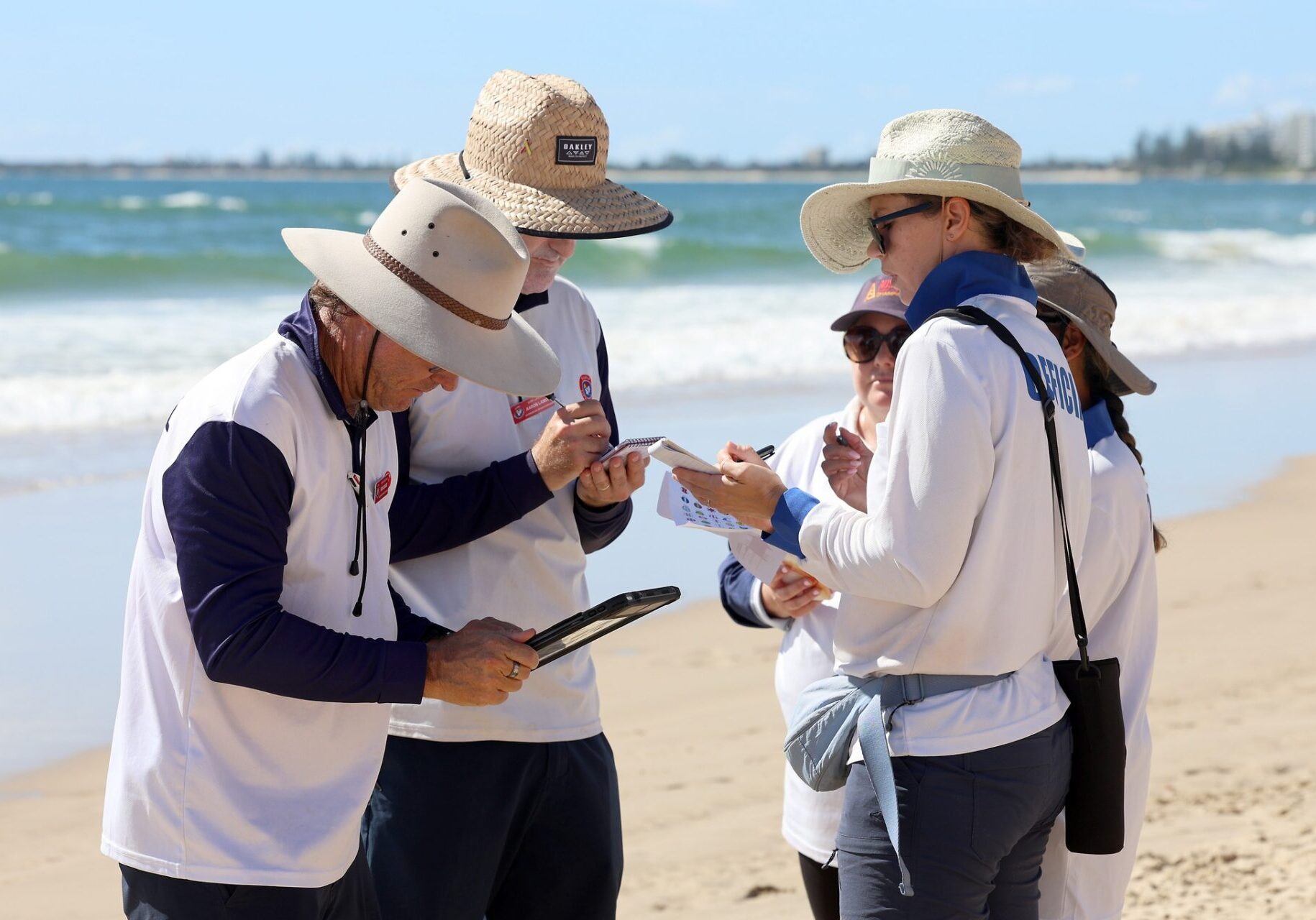
Repeated frustration around the same issue - The same concern keeps coming up without being resolved.
-
Tension between members during patrol or training - Interactions feel strained, uncomfortable or short.
-
Confusion about roles or expectations - Members are unsure about responsibilities or decision-making.
-
Feeling unheard or dismissed - Someone feels their input or concerns are not being acknowledged.
-
Ongoing misunderstandings affecting teamwork - Messages or expectations are interpreted differently by team members.
Addressing these issues early helps prevent escalation.
strengthening communications within teams
address concerns early
Small conversations early are often easier than resolving bigger problems later. When concerns are raised quickly, misunderstandings can usually be clarified before frustration builds.
In club environments, issues can grow when they are avoided — especially during busy periods such as patrol rotations, training sessions or event preparation.
Speaking up respectfully at an early stage can help prevent tension and maintain positive working relationships within the team.
communicate clearly and respectful
Direct communication helps reduce misunderstandings and supports stronger teamwork.
This includes:
- explaining expectations clearly
- speaking calmly and respectfully, even during disagreement
- checking that messages have been understood
- avoiding sarcasm, gossip or indirect comments
Clear communication helps members feel informed, respected and confident in their role within the team.
focus on solutions
Constructive conversations aim to improve the situation moving forward rather than revisiting every past detail.
When discussions stay focused on solutions, teams can:
-
identify practical next steps
-
clarify expectations for the future
-
restore trust and cooperation
Even when people have different perspectives, focusing on what will help the team function effectively allows conversations to remain productive.
factsheets
FACT SHEET 1 (MEMBERS) — Difficult Conversations: signs, risks & what to do
FACT SHEET 2 (CLUBS & LEADERS) — Why clubs rely on clear communication
FACT SHEET 3 (PATROL & OPERATIONS LEADERS) — What communication issues can look like
FACT SHEET 4 (PEERS / TEAMMATES) — How to communicate openly and respectively to peers

Need more help or support?
- If it’s urgent or someone is at risk: call emergency services immediately 000.
- If you need more support: contact your GP or a mental health professional, and contact us at [email protected].
- In-club: reach out to a trusted leader (Patrol Captain, Club Captain/Director, President).