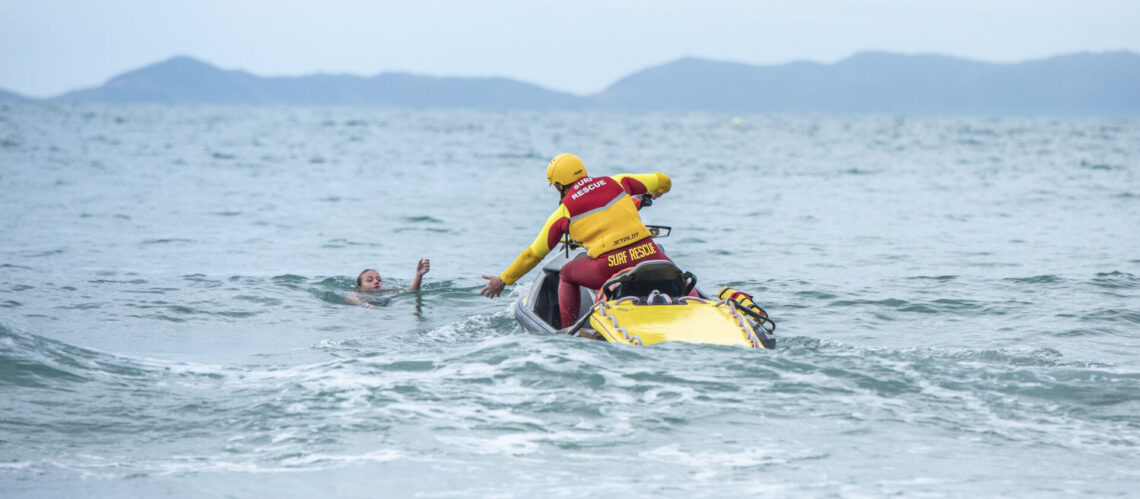
Australia has recorded its highest number of drowning deaths since records began — a sobering reminder of how important water safety and volunteer lifesaving remain as summer approaches.
The 2025 National Drowning Report, released by Royal Life Saving Australia and Surf Life Saving Australia, found 357 people lost their lives to drowning in the past year — a 27 percent increase on the ten-year average. Queensland accounted for 90 of those deaths, the second-highest total in the country.
Most incidents occurred in coastal and inland waterways, with beaches alone claiming 82 lives. Concerningly, drownings were almost three times more likely in regional and remote areas than in major cities. Factors such as declining swimming skills, changing weather patterns, and more people visiting unpatrolled or unfamiliar locations have all contributed to the rise.
Surf Life Saving Australia CEO Adam Weir said coastal drownings remain a major concern, with rip currents responsible for more deaths than sharks, floods, or cyclones combined. Last year, lifesavers and lifeguards performed more than 2.2 million preventative actions and over 8,000 rescues nationwide.
These figures highlight just how vital trained lifesavers are to community safety. As temperatures climb and Queenslanders head to the water, SLSQ is urging everyone to prioritise safe behaviour — swim between the red and yellow flags, look out for each other, and learn essential lifesaving skills.
Volunteer lifesavers are the frontline of that effort, keeping watch on beaches, educating the public, and responding when seconds matter.
This summer, if you’ve ever thought about giving back, consider joining your local surf life saving club. Your presence on the beach could be the difference between a safe swim and a tragedy.