Browse other roles.

BecomE a Surf Life Saving RADIO OPERATOR
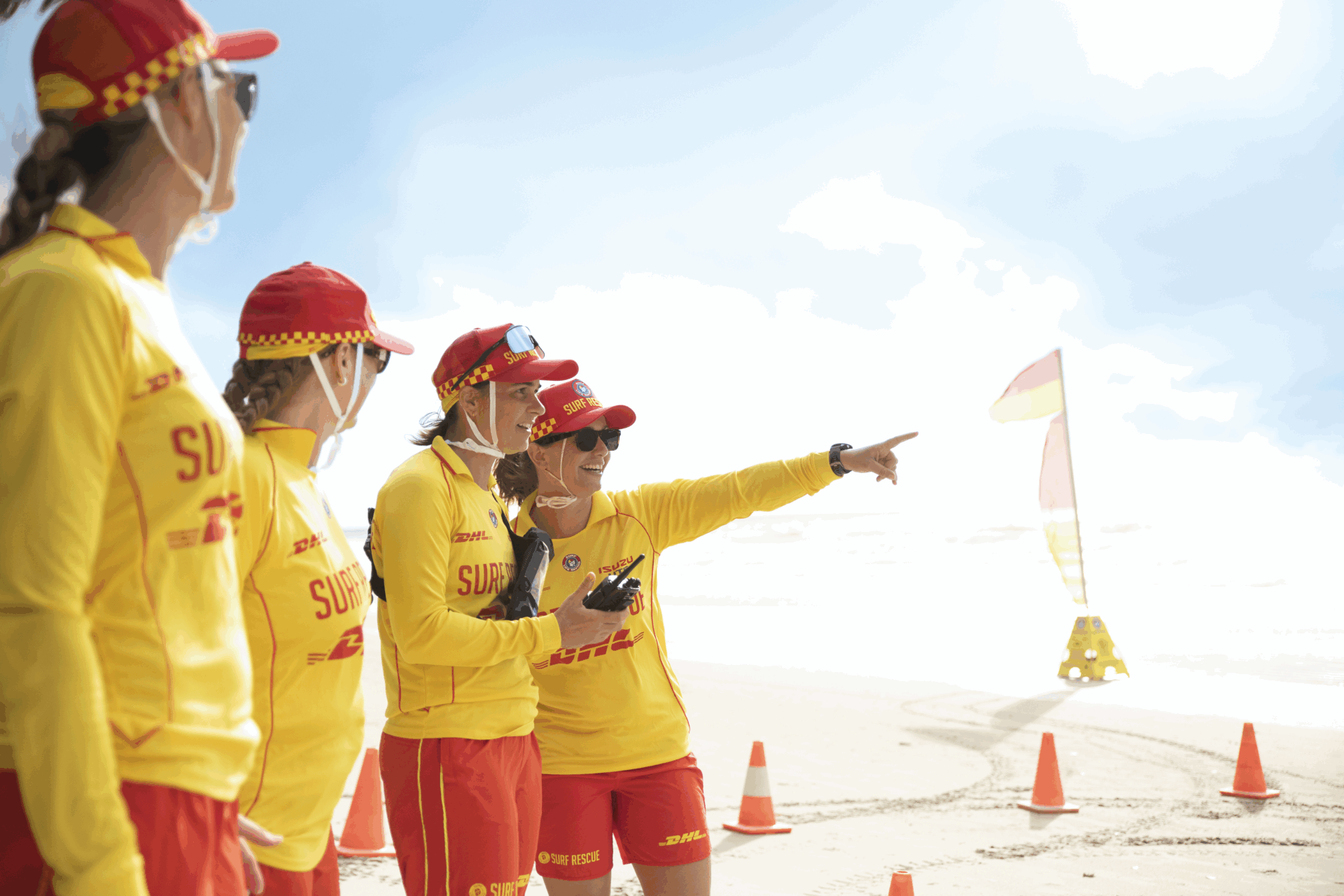
Radio Operators play a vital role in keeping patrols connected. From the tower or patrol base, you help coordinate communication between patrol members, other clubs, support services, and emergency responders.
If you’re calm under pressure, detail-focused, and comfortable managing communication, this is a practical way to contribute on patrol.If you’d like to learn more, read on or book a 15-minute, no-commitment intro call.
What You Actually Do On Patrol
As a Radio Operator, your primary responsibility is communication and coordination. On a typical patrol, you may:
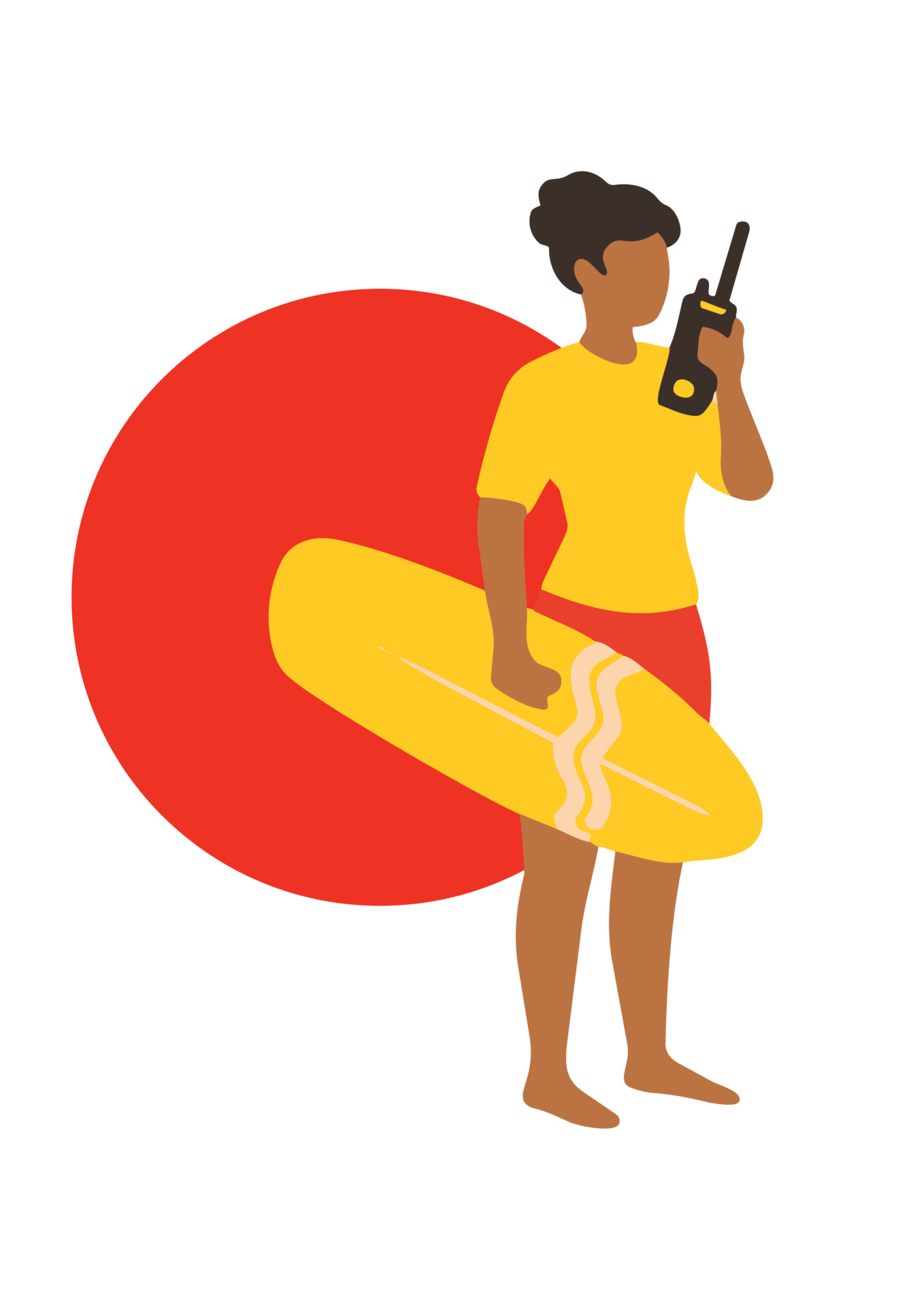
Operate Patrol Communications
- Monitor and operate the patrol radio
- Log communications and significant events
- Relay information between patrol members and external services
- Escalate incidents in line with patrol procedures
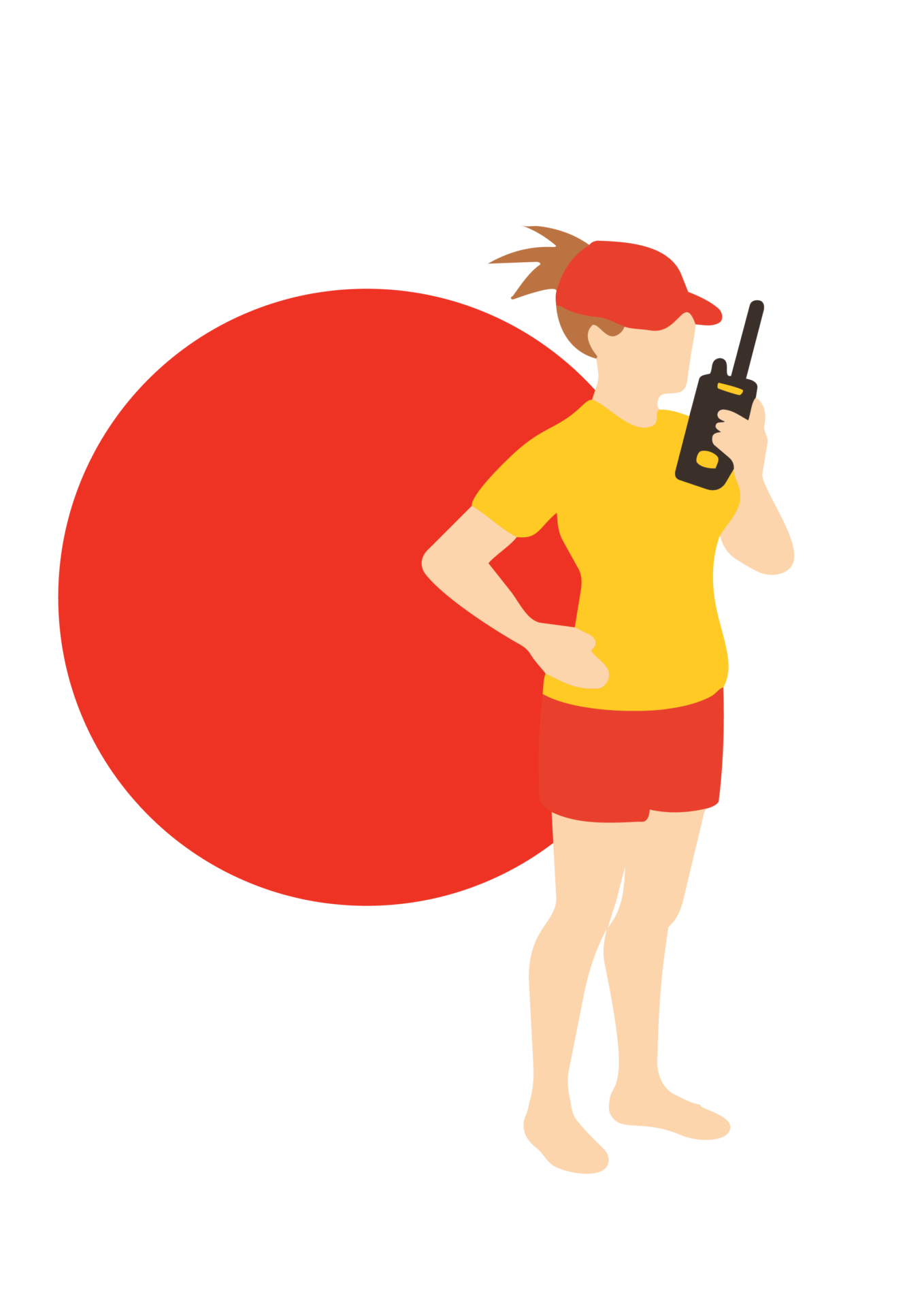
Support Incident Coordination
- Communicate with Duty Officers or SurfCom
- Assist the Patrol Captain during incidents
- Maintain clear and accurate message flow
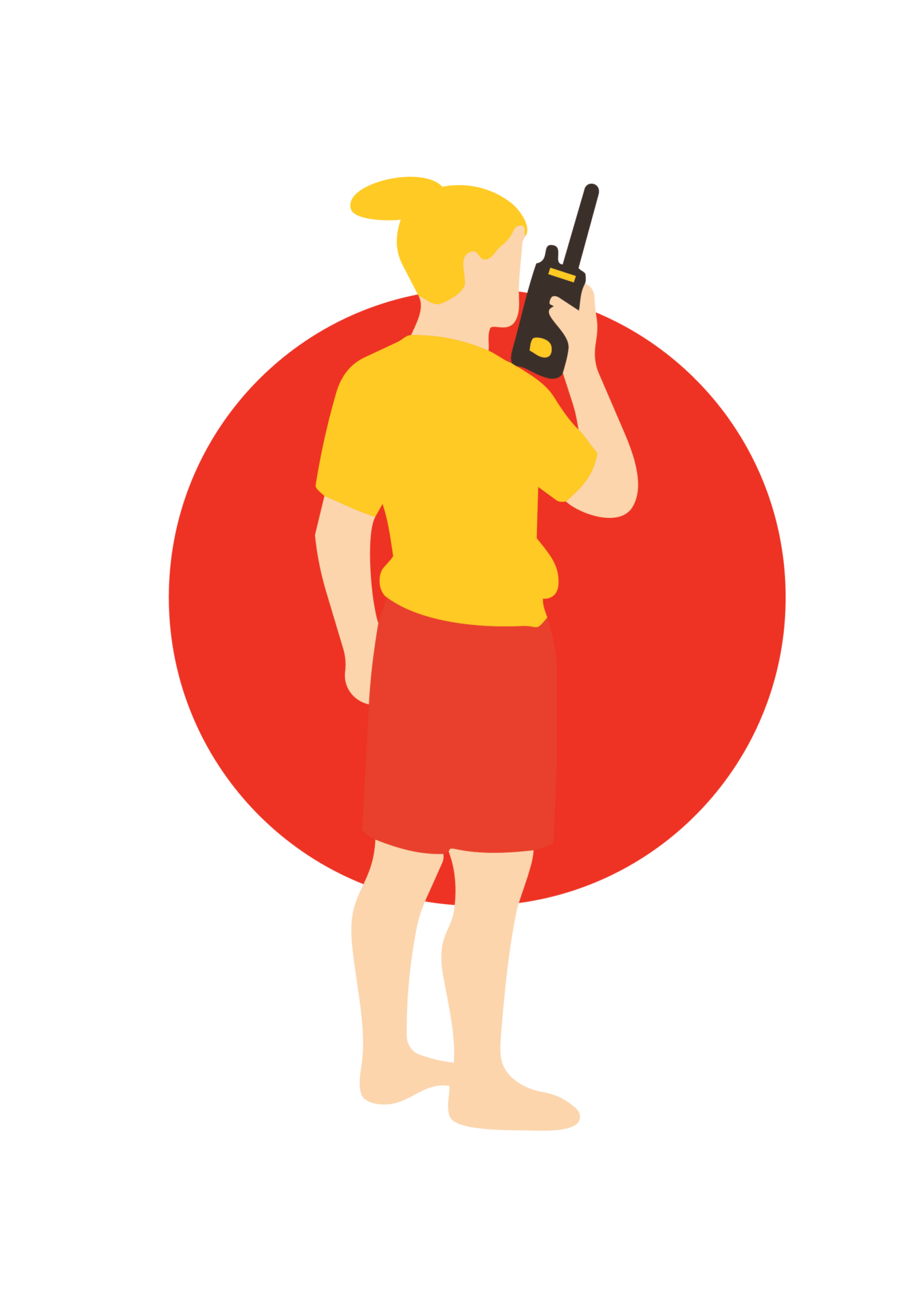
Maintain Equipment & Records
- Ensure radios are functional and charged
- Complete required documentation and logs
- Support patrol setup and pack-down
Radio Operators are critical during incidents. Clear communication ensures the right response happens quickly and safely.
You are not required to perform independent water rescues.
HOW DOES THE APPLICATION PROCESS WORK?
-
Week 1-2Attend training sessions and meet your club members.
-
Week 3-6Complete assessments and surveillance skills.
-
First PatrolYou’ll be paired with experienced members and rotate through observation shifts. You won’t be left alone in the tower.
What Training Involves
To patrol as a Radio Operator, you’ll complete the SLSQ Radio Operator Award.
This course develops your ability to:
- Use surf lifesaving radio equipment correctly
- Follow radio communication protocols
- Maintain accurate logs
- Communicate clearly during routine patrols and incidents
Assessment includes:
- Practical radio operation
- Demonstration of correct communication procedures
- Completion of required documentation
No previous surf lifesaving experience is required.
Training is delivered locally by your club.
How Much Time Is Involved?
- Training commitment upfront
- Regular rostered patrol shifts during the season
- Annual skills maintenance requirements
Your local club will outline specific roster expectations and training schedules.
Who This Role Suits
This role might suit you if:
• You stay calm in busy situations
• You’re comfortable speaking clearly and confidently
• You enjoy structured responsibilities
• You prefer coordination and communication over water rescue
Frequently Asked Questions
PAthways
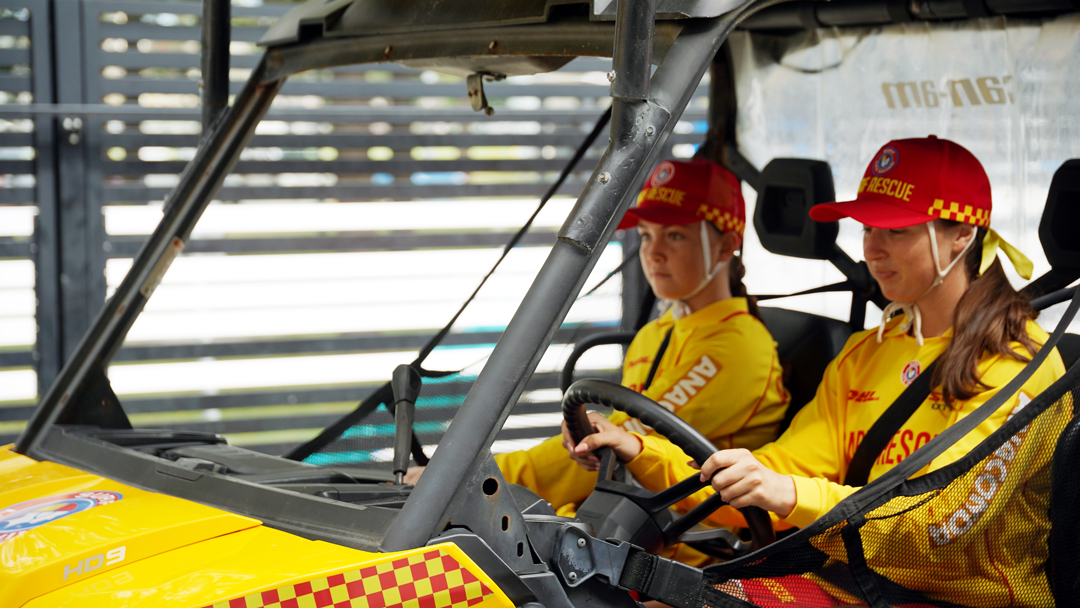
1. Meet Your Team
Before heading down to the beach, your Patrol Captain checks everyone is qualified and ready. As a new member, this is where you'll start getting to know your patrol group.
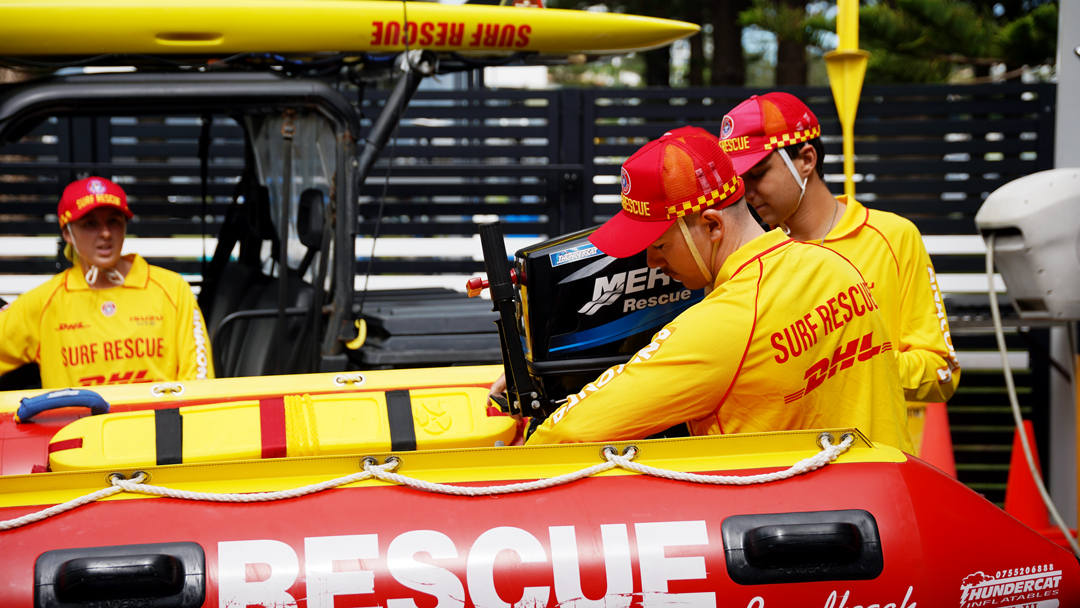
2. Set Up the Gear
Everyone pitches in to get the equipment ready — flags, rescue boards, the inflatable rescue boat, radios, and the first aid kit. You'll learn what everything is and how to use it.
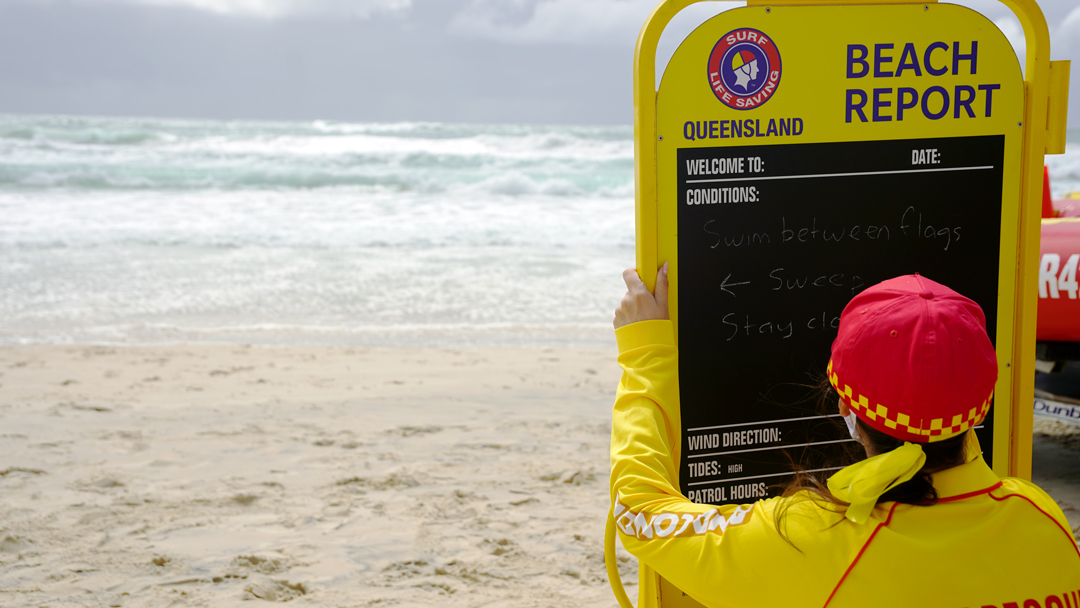
3. Open the Beach
The Patrol Captain picks the safest swimming area for the day, the flags go up, and the beach is officially open. You'll help set everything up and learn how to read the conditions.

4. Watch the Water
This is the heart of what you do. You'll take turns watching the water, keeping swimmers between the flags, and staying alert. Rotations happen every 20 minutes so everyone stays sharp.
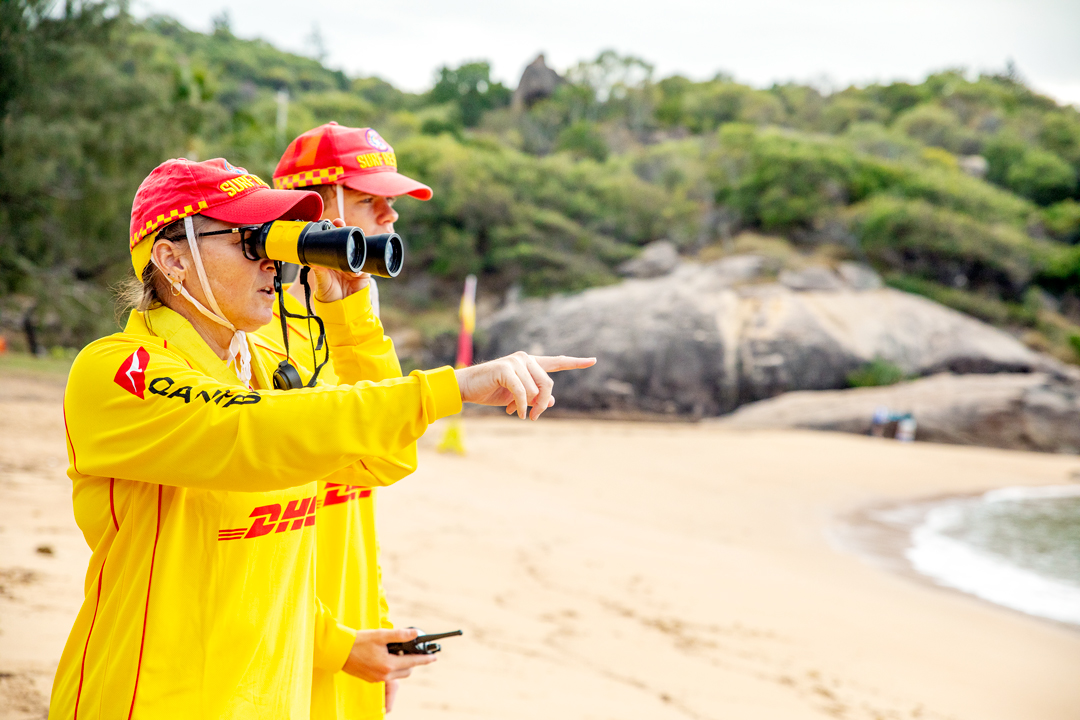
5. Respond if Something Happens
If a swimmer gets into trouble, your team responds together. Your training prepares you for exactly this — and more experienced members will always be there alongside you.

6. Close the Beach
At the end of patrol, the flags come down and the beach is handed back. If conditions got dangerous during the day, you'd have closed early and kept people safe until it cleared.
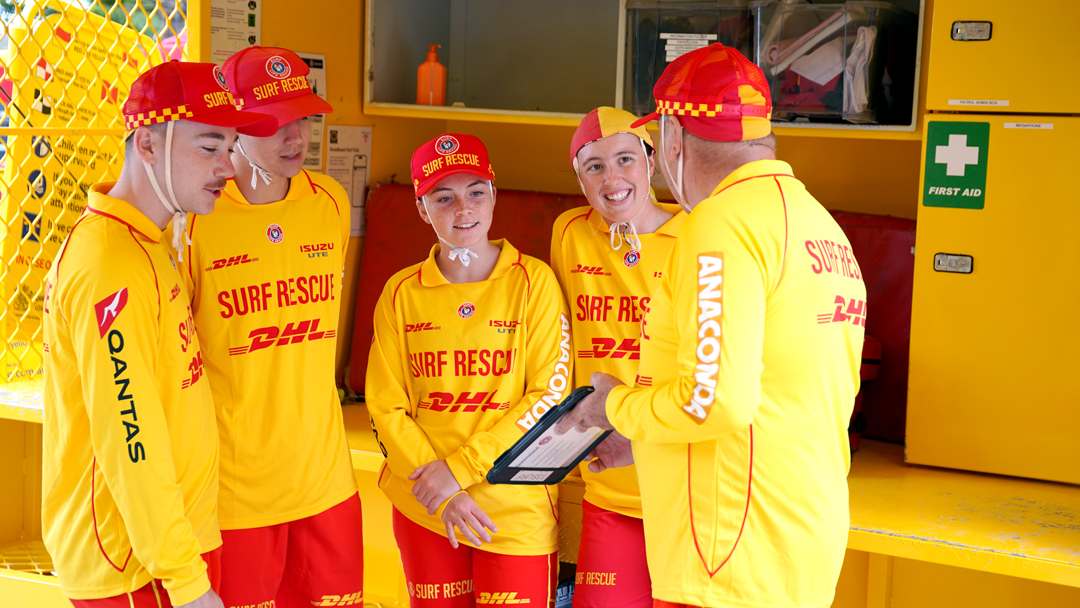
7. Pack Down Together
Everyone helps pack up, clean the gear, and make sure everything's logged and ready for the next patrol. It's a team effort from start to finish.
Ready to see if RADIO OPERATOR is right for you?
Ready to explore whether Radio Operator is right for you?
Book a 15-minute, no-commitment intro call.