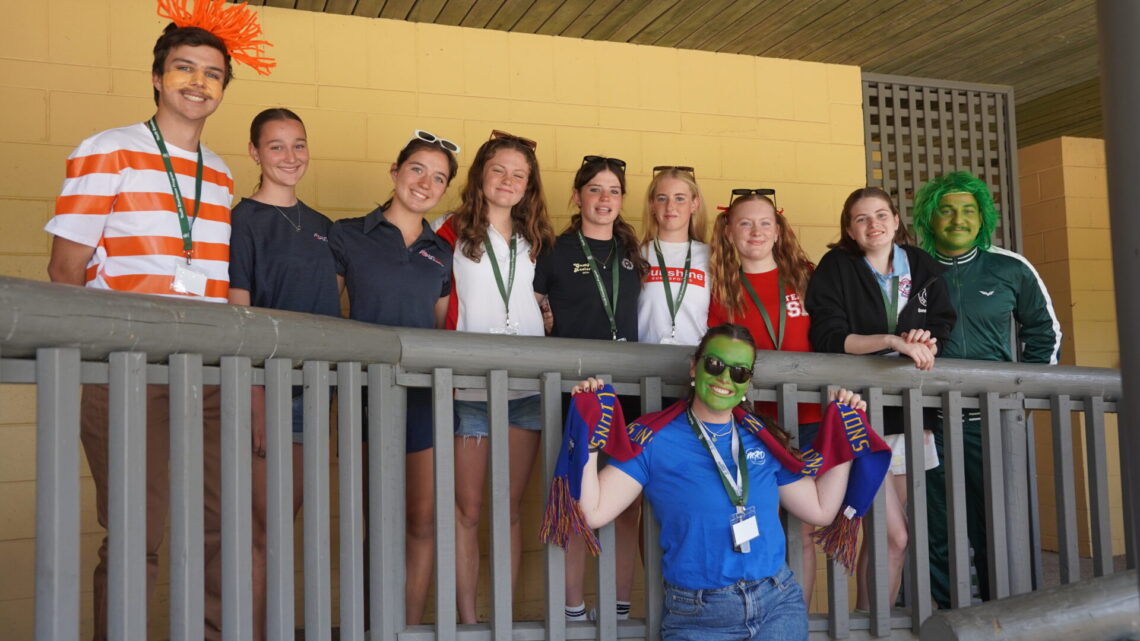
Walk into any Queensland surf club on a Saturday morning and you’ll see it in real time: young people learning how to show up, look after each other, and do hard things well. It might start with Nippers, a water safety talk, or a messy team challenge at camp. But over time, something bigger happens. Surf life saving doesn’t just teach skills — it shapes character.
And that’s worth saying out loud, especially now, as we double down on youth engagement across SLSQ and our clubs.
Because where else can a 16-year-old learn genuine responsibility — not “practice responsibility,” but the kind that matters? Where else can a young person be trusted to make calm decisions under pressure, communicate clearly with adults, lead a team, and (with the right training, support, and supervision) be part of an organisation that saves lives?
That’s not exaggeration. That’s our everyday.
More than a pathway — A purpose
For youth members, surf life saving is often the first place they’re treated like capable contributors rather than “kids waiting their turn.” They learn to read conditions, manage risk, work in a team, and think about other people’s safety. They learn humility when the ocean reminds everyone who’s boss. They learn confidence when they master a new skill — whether that’s completing their Surf Rescue Certificate, stepping up to Bronze, taking on first aid and radio roles, or simply backing a teammate when it counts.
Just as importantly, they learn belonging. Branch carnivals, training squads, camps, patrol shifts, and club events create friendships that go well beyond “people I see at school.” For many young members, the club becomes a steady anchor — a place where they’re known, valued, and needed.
SLSQ Membership Manager Zoe Donnelly says it plainly: “This is the year of the youth. If we can retain as many young members as possible, we’re not just keeping numbers — we’re building the next generation of leaders, coaches, patrolling members and committee members who will define what surf life saving looks like in Queensland.”
The Youth Collective: building a bigger youth experience
Across SLSQ, we’ve introduced The Youth Collective to bring more consistency, energy, and opportunity to the youth experience — not to replace what clubs already do so well, but to amplify it.
The Youth Collective is about connecting young people to:
- clearer pathways and “what’s next” options
- leadership and development opportunities
- practical resources (including content created for youth, by youth)
- events, initiatives, and programs that keep young members engaged and excited to stay involved
Over the year ahead, you’ll see The Youth Collective continue to grow with more ways for young members to learn, contribute, and have a voice — as well as more support for clubs looking to keep their youth engaged beyond the “busy Nippers years.”
The goal is simple: help young people stay, step up, and shape the future of lifesaving in Queensland.
Camps and programs: where growth accelerates
If the weekly rhythm of club life builds capability over time, camps and programs are where growth often accelerates.
Across Queensland, state, branch and club-run camps create something powerful: a concentrated experience of teamwork, challenge, independence, and leadership — in an environment where young people are supported to stretch themselves.
Programs and camps help youth members:
- build confidence in unfamiliar settings
- develop leadership and communication skills
- strengthen friendships across clubs and branches
- gain exposure to the “bigger world” of surf life saving
- see real pathways: lifesaving operations, training and education, competition, and club leadership
And Queensland does this exceptionally well.
Camp Commando is a standout — widely recognised as one of the largest youth development camps in the country, drawing big participation despite being based on the Sunshine Coast. It’s high-energy, high-learning, and a brilliant example of what happens when youth are given responsibility, challenge, and a team to belong to.
It’s also exciting to see strong momentum in other areas — including a great response to the upcoming Wide Bay youth program, showing just how hungry young people are for connection and development opportunities when they’re well promoted and well supported.
Why youth engagement matters (and why it can’t be “optional”)
Here’s the honest truth: if we don’t actively engage our youth members, we risk losing them right when they’re ready to contribute most.
Youth retention isn’t just a membership metric — it’s a capability issue. The members who stay through their teens often become:
- patrol captains and vice captains
- trainers, assessors, and mentors
- first aid and radio specialists
- IRB crew and operators
- surf sports coaches and officials
- committee members and future presidents
When we invest in youth, we’re not only supporting young people — we’re protecting the future operational strength of our clubs and our movement.
What clubs can do to engage youth: practical ideas that work
Clubs don’t need flashy budgets to do this well. What youth members respond to most is connection, ownership, variety, and recognition.
Here are proven, practical ways clubs can lift youth engagement:
- Give youth real responsibility (with support). Create roles like Youth Patrol Support, Social Media Assistant, Training Support, Event Crew Lead, or Junior Mentor. Make it meaningful, not symbolic.
- Create a youth voice at the decision table. Invite youth reps to committee meetings (even quarterly), planning workshops, or subcommittees. Ask them what would keep them around — then act on it.
- Build a “buddy system” for 13–17s. Pair younger teens with older youth or young adults to help them feel known and included, especially when moving from Nippers into youth awards.
- Run short, social skill sessions after training. Think: radio basics, rescue board handling, first aid refreshers, leadership mini-challenges — followed by a sausage sizzle or smoothie run.
- Celebrate effort, not just achievement. Shout out the member who showed up consistently, helped pack up, supported a teammate, or tried something new.
- Make the pathway visible. Put up a simple youth “roadmap” in the clubhouse: SRC → Bronze → patrol roles → training/IRB/first aid → leadership → committee/service awards.
- Offer micro-volunteering options. Not everyone can commit every weekend. Give youth bite-sized roles: help at one event, assist one training session, join one community activation.
- Connect youth to bigger experiences. Promote branch/state programs early, help with registration, organise transport, and encourage youth to go with a friend.
- Create safe, welcoming spaces. Youth stay where they feel respected. Clear behaviour expectations, positive role modelling, and a culture of inclusion matter more than any program.
- Link service to purpose. Youth want to feel they’re contributing to something real. Tell the story of why training matters, why prevention matters, and how their actions make beaches safer.
What youth can do to help (and to get more out of lifesaving)
Youth don’t need to wait for permission to be part of the future of surf life saving. Here are ways young members can step up right now:
- Bring a friend. Growth starts with connection — and clubs are more fun when your mates are involved.
- Say yes to opportunities. Camps, training, leadership workshops, competitions, mentoring — the more you try, the more you find your thing.
- Put your hand up for a role. You don’t have to be the loudest voice to lead. Start small: help with an event, assist training, support Nippers, join a youth group.
- Back yourself. The skills you build here — communication, teamwork, decision-making, resilience — will follow you into school, work, and life.
- Be a lifesaver in the club, not just the water. Culture matters. Welcome new people, look out for teammates, and help make your club a place people want to stay.
The future is already here — it’s in red and yellow
Surf life saving has always been about community safety. But it’s also about building people — capable, grounded, skilled young humans who can handle responsibility and look after others.
That doesn’t happen by accident. It happens because clubs invest time, patience and trust into their youth. It happens because youth step up. And it happens because SLSQ and branches keep creating pathways that make staying feel exciting, not expected.
If we truly want strong clubs tomorrow, we need youth who feel valued today.
As Zoe Donnelly puts it: “We need our young members — not just as the future, but as part of what we do right now. When youth stay, everyone benefits: the club, the beach, and the community.”
So let’s make it the year of the youth — and back it up with action.