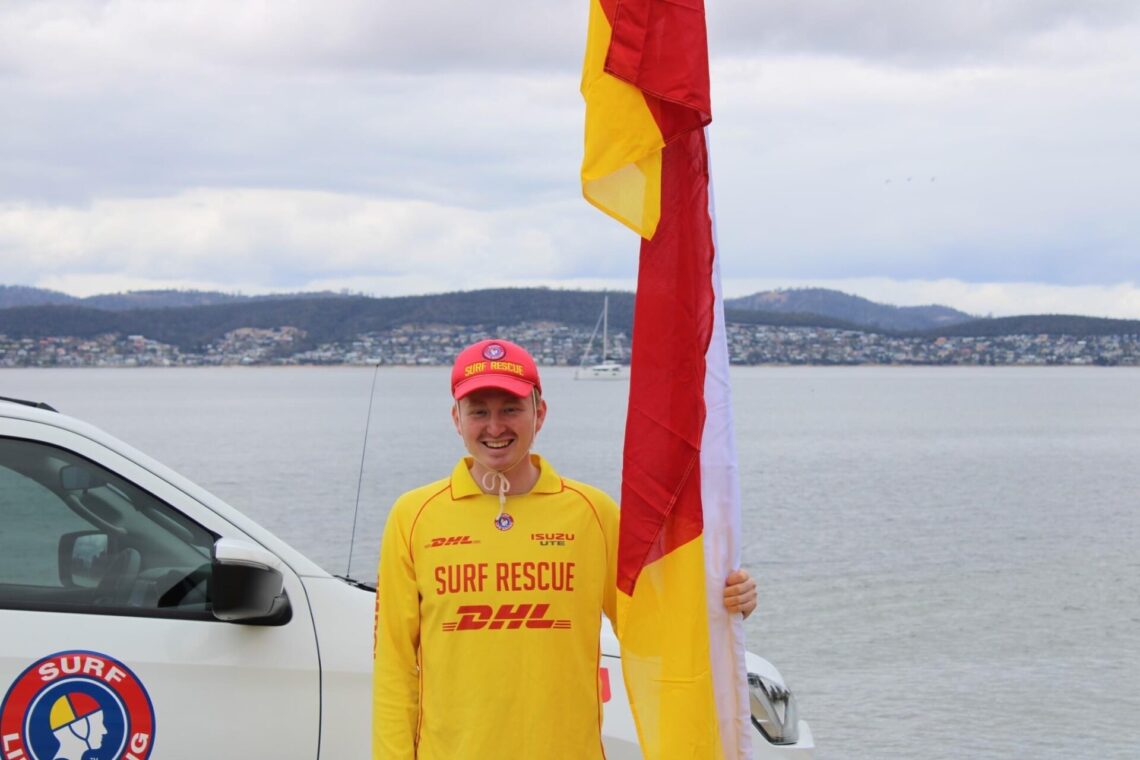
They’re not always on the sand when they’re doing this job, but Queensland’s Peer Support Officers are every bit as much a part of lifesaving as the patrols they support.
Every lifesaver knows the moment when a serious incident ends. The patient is handed over, the gear is packed away, the flags stay up and the patrol carries on. The beach goes back to normal.
For the people who were in the thick of it, though, the job doesn’t always finish there. A difficult rescue, a resuscitation, or an incident that just doesn’t sit right can stay with a member long after they’ve signed off for the day. That’s where SLSQ’s Peer Support Officers come in, and it’s why peer support has become such a vital part of how we look after our people.
What Peer Support Is (and What It Isn’t)
Peer Support Officers, or PSOs, are trained SLSQ members who reach out to fellow members after a potentially traumatic event. Their role is to check in, listen, and offer a safe and confidential space for someone to talk about how they’re going. They share practical information about common reactions after a tough experience, and where someone needs more, they help connect them with further professional support.
PSOs aren’t counsellors or clinicians, and they don’t try to be. Their strength is that they’re peers. They understand the beach, the patrol environment and the realities of lifesaving because they live it too. When a PSO picks up the phone, the member on the other end is talking to someone who gets it.
Volunteers, Trained for the Job
Just like the members who earn their Bronze Medallion and keep their skills current every season, Peer Support Officers are volunteers who put their hand up and train to be ready when they’re needed. Every PSO completes peer support specific training and Psychological First Aid, and continues building their skills through ongoing professional development. Supporting someone through a hard moment deserves the same care and preparation as any rescue.
And like patrol, peer support happens whether or not anyone is watching. Much of the work takes place quietly, by phone, often across club and branch boundaries. It’s rarely seen, but for the members on the receiving end, it can make all the difference.
Two of the volunteers who make up this team shared what the role means to them.
Sue Monteath, Southport SLSC
For Sue Monteath, becoming a Peer Support Officer was a natural next step. She applied and trained for the role to extend her skills and put her own experience to work helping others.
What she enjoys most is the chance to connect with members beyond her own club, and to give them somewhere safe to explore how they’re feeling.
“Members are grateful for contact with PSOs,” Sue said. “They acknowledge this support and appreciate the information regarding further options, if required.”
Sue’s commitment to peer support sits comfortably alongside her love of patrol. She’s motivated to train, stay fit and keep her first aid knowledge current, and she values the teamwork that makes a beach run safely.
“I love the team work ethic and appreciate the camaraderie that underpins successful safe management of the beach,” she said. “I enjoy meeting and working with like-minded people representing a range of ages and backgrounds. Surf lifesaving provides an excellent platform to engage with the community and help everyone enjoy the water safely.”
Riley Palmer, Marcoola SLSC
For Riley Palmer, peer support is personal.
At 17, Riley was involved in a potentially traumatic event during the off-season, in circumstances that were complex. In the weeks that followed came common reactions like hypervigilance and trouble sleeping, and Riley is candid that it could easily have been the moment to walk away from surf lifesaving altogether.
Instead, a Peer Support Officer was assigned to help.
“This person promoted good habits and reminded me the important role lifesaving plays in the community,” Riley said. “They were attentive, patient and checked in with me regularly. I am grateful that I had such a positive experience with the peer support team and that encouraged me to join.”
Today, Riley is the one making those calls. PSOs are usually reaching out to people on a challenging day, but Riley says the work is still deeply rewarding, and it has built a strong connection to the wider organisation.
“One day you could be checking in with someone from the next club down the road and the next you might be calling someone in a different branch,” Riley said. “If I can make a small positive impact on someone that has been involved in a potentially traumatic event, then I am content.”
That commitment has travelled well. Riley even spent a couple of years living interstate and kept doing PSO work for SLSQ the whole time.
Riley also sees peer support as something bigger than a one-on-one conversation. It’s one of the reasons members stay.
“I see Peer Support as a great member retention initiative and really value their work in supporting our members,” Riley said. “Surf lifesaving is my community. The people are what make it such a successful organisation. I will always believe that surf lifesaving has given me more than I can give it.”
Looking Out for Each Other
Riley’s story shows exactly why peer support matters. One well-timed check-in helped keep a young lifesaver in the movement, and that lifesaver is now paying it forward to members right across the state.
That’s the heart of peer support. It’s lifesavers looking after lifesavers, backed by training, delivered by volunteers, and built on the same values that bring us to the beach every weekend.
If you’ve been involved in an incident and would like to talk to someone, support is there for you. Speak with your club or your patrol captain, or email the Member Welfare team at [email protected].