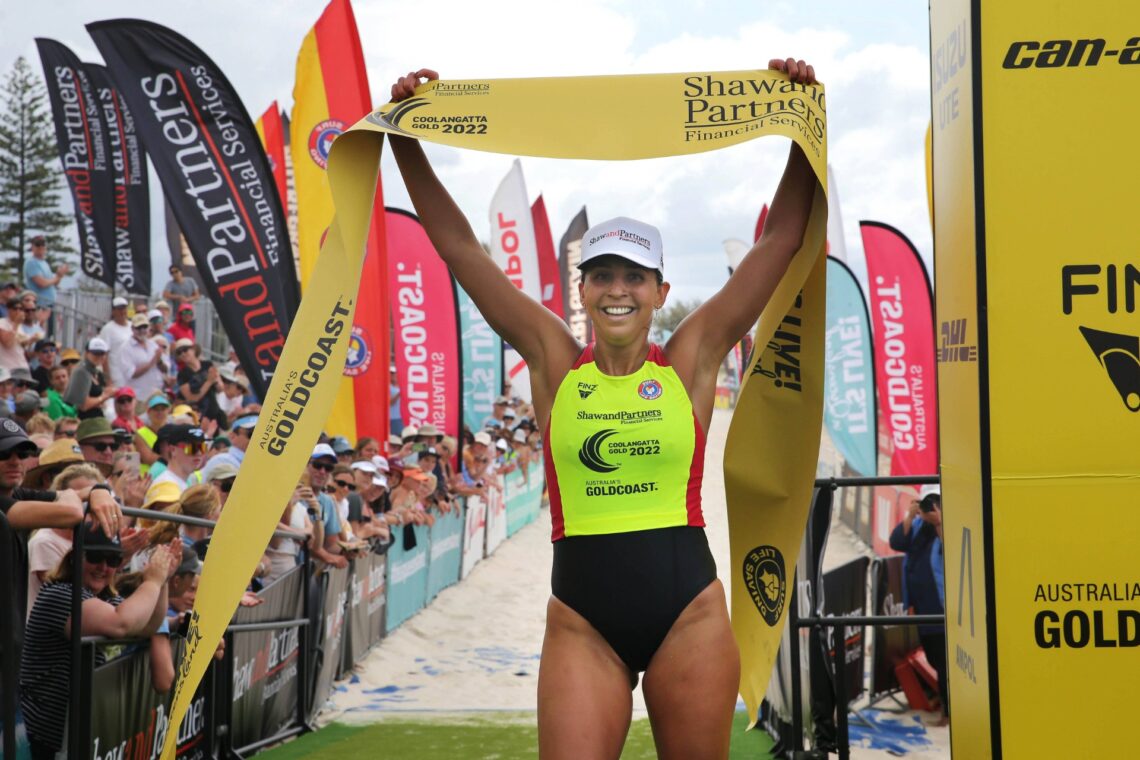
In the world of high-performance sport, training is often the most visible part of success. The early mornings, endless repetitions, gruelling sessions and competition day results are what people tend to notice. But according to exercise physiologist and athlete Carla Papac, what happens outside the session can be just as important as the work itself.
It’s an area Carla has become deeply passionate about, both professionally and personally.
“An exercise physiologist is a health practitioner who specialises in prescribing exercises for people with conditions, diseases and injuries,” she explains. “I actually got into the role because I was seeing an amazing exercise physiologist for my own injury.”
At the time, Carla was balancing elite training commitments while studying media arts and production at university, but quickly realised she was being drawn in another direction.“Once I saw the work environment of an exercise physiologist, paired with the fact that I loved exercise and interpreting research, it felt like the most logical path to go down.”
Turning research into real-world advice
That evidence-based mindset has become one of Carla’s greatest assets, particularly in a digital landscape flooded with health advice, trends and quick fixes.
“There is a lot of misinformation surrounding health, wellness and exercise online,” she says. “One of the most valuable skills I’ve learned is being able to read and interpret research and actually understand what is evidence-based.”
For female athletes in particular, she says this has never been more important.
“It is a really exciting time to be a female athlete because there has been a big push in the last 10 years for more research and attention on female health,” she says. “But with more information also comes plenty of misinformation.”
The fuelling mistake too many athletes make
At the centre of that conversation is one issue Carla returns to repeatedly: fuelling and recovery.
“Not fuelling and recovering properly is one of the biggest mistakes athletes are making,” she says. “Especially in sports like surf lifesaving where the training demands are so high.”
For many athletes, particularly young females, there can be pressure to chase a certain physique or “race weight,” often at the expense of long-term health and sustainable performance.
“Misinformation around fuelling and obtaining a specific race weight or build can be really misleading,” she explains. “Every athlete and every sport is different, and there is more than enough research showing how under-fuelling can negatively impact health and performance.”
Why female health can’t be an afterthought
She says this issue becomes even more critical during adolescence, when athletes are undergoing significant physical development.
“For young females going through puberty, there are a lot of pivotal changes happening to the body. Trying to delay these changes by under-fuelling and focusing too much on performance can have detrimental impacts to bone health and menstrual health further down the track.”
Carla is also passionate about increasing the conversation around menstrual health in sport, an area she believes still isn’t talked about openly enough.
“Every female athlete will experience different symptoms throughout the month, and it’s important they understand their own patterns so they can communicate with coaches and family and make changes when needed.”
She hopes the industry continues to move toward more personalised support systems rather than one-size-fits-all approaches.
“Seeking help and information from reputable sources and having a program that is individualised to you is the best way to be confident with your decisions when there is lots of noise from social media and the people around you.”
Building the right support crew
For Carla, success is rarely built in isolation.
That means surrounding athletes with trusted coaches, dietitians, psychologists, doctors and health professionals who understand the demands of both the individual and the sport.
“Building that support crew can take time, but it is integral to ensuring you are supporting your body in the best way possible.” Just as importantly, she says athletes need to feel empowered to ask questions, understand their programs and communicate when things are not working.
Confidence in a training plan, she says, often comes from understanding the purpose behind it.
Recovery is where progress actually happens
Carla says one of the biggest misconceptions in athlete development is the belief that more training always equals better performance.
“Rest and recovery is where the body is able to absorb the gains from training,” she says. “If you aren’t resting and recovering enough, you aren’t optimising the benefits of training.”
She notes that inconsistency is often one of the clearest warning signs an athlete’s training balance is off.
“Athletes will often experience really high highs and low lows in performance, and this is often an indicator of poor rest, fuelling and recovery.”
While older training models often rewarded doing more, newer research continues to reinforce the importance of training blocks, adequate sleep, proper fuelling and programmed recovery to sustain both performance and athlete longevity.
Less trend hopping, more consistency
In an era where social media constantly pushes new products, hacks and recovery trends, Papac believes the fundamentals are still what matter most.
“I would love for there to be less trend hopping,” she says. “Most influencers are promoting a product, and that means the information they project is often designed to make you feel like you need it.”
Instead, her advice is refreshingly simple: consistency over complexity.
“The best exercise program, diet, and sleep schedule is the one that is realistic, achievable, sustainable and somewhat enjoyable for you,” she says. “Start with small changes, build habits and routine, and then go from there.”
For Carla, the future of athlete health lies not in doing more, but in doing what works better.
Less chasing trends. More listening to the body. More informed conversations. And a far greater understanding that performance is built just as much in recovery as it is in training.